

TL;DR
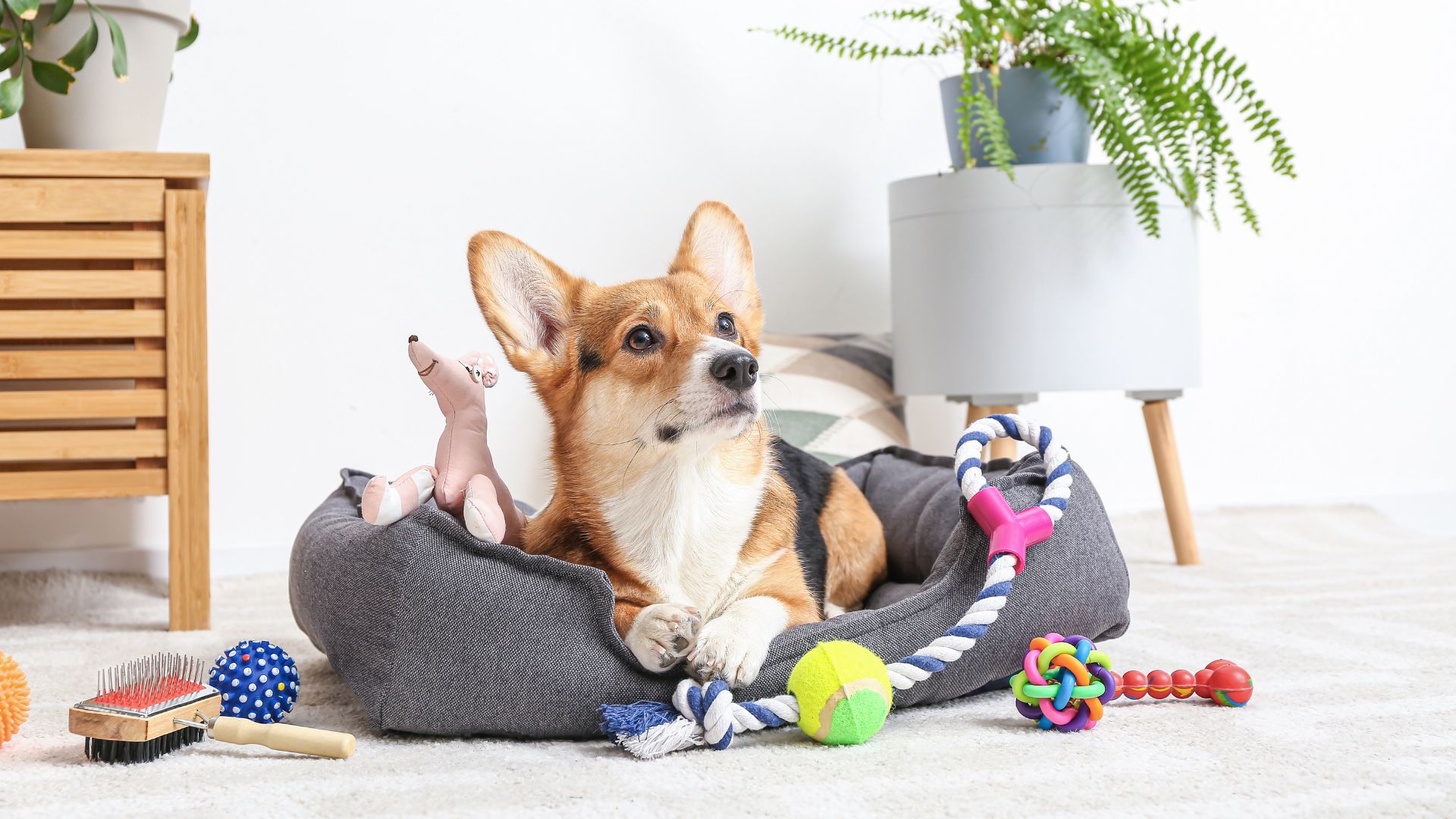
- Scope: this guide covers non-food, non-electrical pet accessories: beds, toys, leads, collars and harnesses, bowls, grooming tools and cat scratchers.
- Rules: pet toys fall outside the UK toy safety regulations, but every pet product must be safe under the General Product Safety Regulations 2005, and plastic and rubber parts must meet UK REACH limits for phthalates and PAHs.
- Duty: leads, collars and harnesses (heading 4201) carried a 2% UK duty in October 2026; check the code for every other line.
- Specify, then test: breaking load for clips and D-rings, chew durability and small parts for toys, washable covers and zips for beds, material grade for bowls.
- Where to look: Zhejiang, around the Yiwu wholesale market, is the easiest place to compare ranges; buy containers from the factory, not the stall.
- Timing: Chinese New Year falls on 6 February 2027; orders not shipped by mid-January will usually wait until March.
Introduction
Most of the pet accessories on UK shelves, from dog beds to cat toys, are made in China. The products look simple, which is exactly why buyers get caught out: a clip that snaps on a walk, a toy that falls apart in minutes or a bed cover that shrinks in the wash quickly turns into returns and bad reviews.
This guide is for UK retailers, wholesalers and pet brands buying in container quantities. It covers what to source, where the factories are, the UK rules that apply, what to write into your specification and how to plan shipping. It deliberately leaves out pet food, edible chews and electrical products such as heated beds or water fountains, which follow different rules. For our services in this category, see our pet products sourcing page.
1) Which Pet Products UK Buyers Source from China
The table below covers the accessory lines UK buyers most often bring in from China, with the main risk to manage for each.
Pet Accessories: Materials and Main Risks
| Product | Common materials | Main risk | What to put in the specification |
|---|---|---|---|
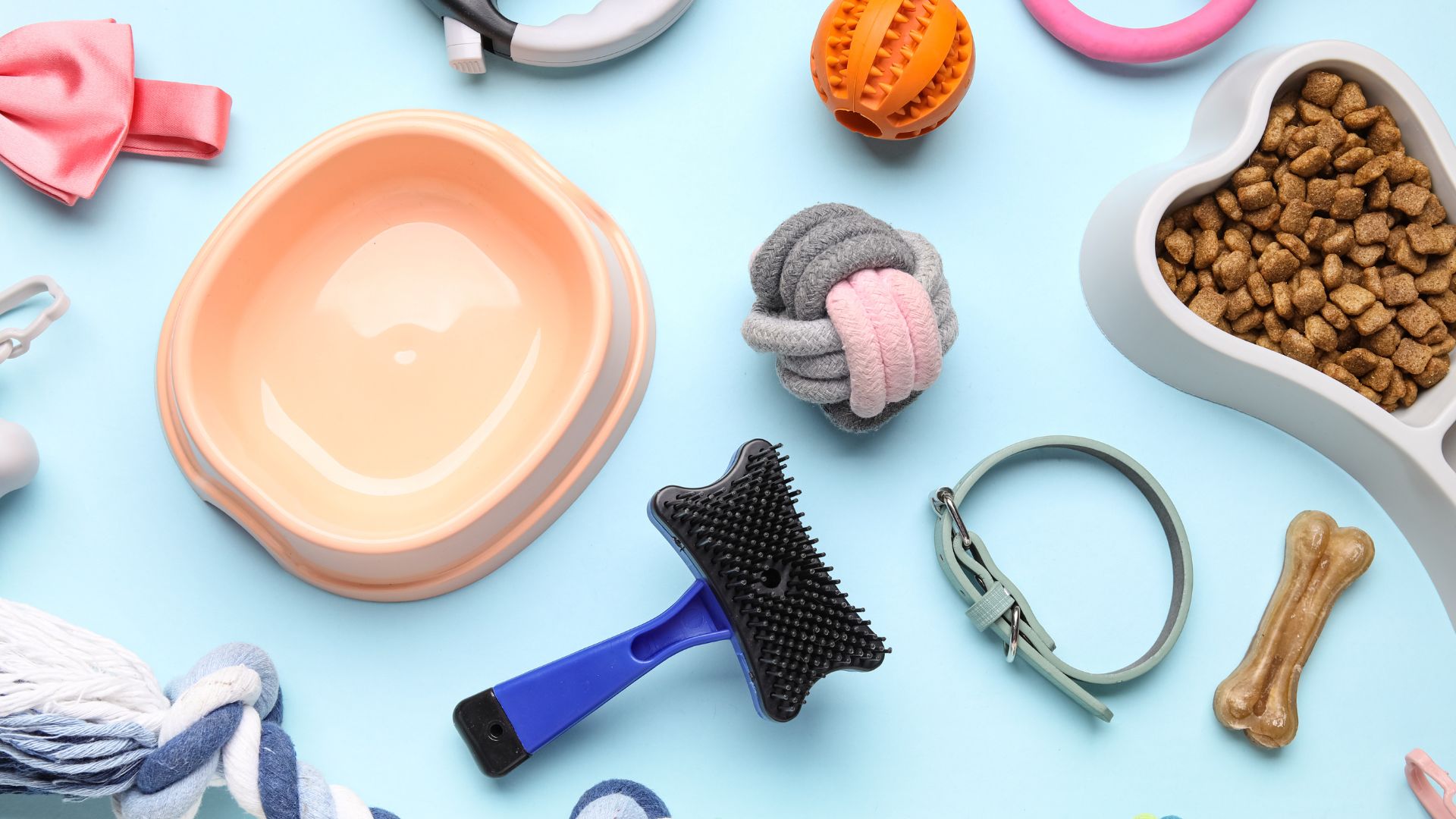
| Beds and mats | Polyester or cotton covers, polyester fibre or foam fill | Shrinking covers, weak zips, flattening fill, damp in transit | Fabric weight, washing test, zip type, fill weight, moisture-proof packing |
| Toys | Rubber, TPR, plush, rope, vinyl (PVC) | Pieces coming off and being swallowed; restricted chemicals | Size and durability per animal, secured squeakers, chemical tests |
| Leads, collars, harnesses | Nylon or polyester webbing, leather, metal or plastic clips | Clips, D-rings or buckles failing under load | Minimum breaking load, hardware material, stitching, reflective trim |
| Bowls and feeders (non-electrical) | Stainless steel, ceramic, melamine, plastic | Wrong steel grade, chipped glaze, slipping bases | Material declaration, glaze testing, non-slip base, weight |
| Grooming tools | Steel pins and blades, plastic or wooden handles | Sharp edges, loose bristles, rust | Edge finish, pin retention, rust check after humidity |
| Cat scratchers and trees | Sisal, carpet, MDF or particleboard | Tipping over, loose posts, weak glue | Stability test, fixing method, KD packing, assembly check |
Source: Easy Imex sourcing experience.
2) Where Pet Accessories Are Made in China
Pet accessories are made across China, but for a buyer comparing ranges the most practical starting point is Zhejiang province, home to the Yiwu wholesale market and a dense network of small-goods factories around it. The market is a fast way to see what exists and at what price. For container orders, though, the stall is usually a wholesaler: find the factory that makes the product, and audit it before you order.
Pet food is a separate industry with its own clusters. Nanhe district in Xingtai, Hebei, for example, has built a large pet food base (China Daily, January 2026). If you are only buying accessories, you do not need to go there.
Around 70% of the products Easy Imex sources come from factories that are not listed on Alibaba, so online platforms are only part of the picture. To check whether a supplier is a real manufacturer, see our guides on trading companies versus manufacturers, how to confirm a Chinese manufacturer is legitimate and our China factory audit checklist. Trade fairs also help with shortlisting; see our list of China trade fairs.
3) UK Rules for Pet Accessories
3.1 General product safety
There is no single UK law for pet accessories. The baseline is the General Product Safety Regulations 2005: products sold to consumers must be safe in normal and reasonably foreseeable use. Regulation 7 also expects the product or its packaging to show the name and address of the producer and a product reference or batch, unless that is not reasonable. In March 2026 the government consulted on a new product safety framework to replace the 2005 Regulations, so watch for changes before you lock in packaging artwork for 2027.
3.2 Pet toys are not toys in law
The Toys (Safety) Regulations 2011 define toys as products designed or intended for use in play by children under 14 (regulation 4). A toy designed for a dog or cat is therefore outside the toy rules and does not need UKCA or CE marking as a toy. That does not remove your responsibility: if a pet toy could easily be mistaken for a child’s toy, think about design, packaging and warnings, because the general safety duty still applies.
3.3 Chemicals: UK REACH
Two UK REACH restrictions matter for most pet accessories:
- PAHs in rubber and plastic: rubber or plastic parts that come into direct and prolonged or short-term repetitive contact with human skin must not contain more than 1 mg/kg of any of the listed PAHs (Regulation (EU) No 1272/2013, retained in UK law). Think lead handles, toy throwers and grooming tool grips.
- Phthalates in plasticised materials: DEHP, DBP, BBP and DIBP are restricted at 0.1% or more by weight in plasticised material in articles (Regulation (EU) 2018/2005, retained in UK law). This affects vinyl (PVC) toys and PVC-coated leads.
Ask for test reports from an accredited laboratory on the actual production materials, not a supplier declaration. Our product compliance guide covers the wider picture.
What is UK REACH?
UK REACH is Great Britain’s chemicals regulation. Among other things, it restricts the use of certain hazardous substances in products (“articles”) placed on the GB market.
3.4 Edible chews and electrical products
Chews and treats of animal origin are animal by-products and follow separate import controls. Electrical pet products, such as heated beds, fountains and automatic feeders, bring electrical safety and other obligations. Both are outside the scope of this guide, and it is safer to source them through a separate process.
3.5 Import duty and VAT
Leads, collars, harnesses, muzzles and dog coats come under heading 4201, “saddlery and harness for any animal … of any material”. In October 2026 the UK Trade Tariff showed a 2% third-country duty on 4201 00 00 00. Beds, bowls, toys and grooming tools fall under other headings with their own rates, so look up every line on the Trade Tariff. Import VAT is charged at 20% on the customs value plus duty. Our guide to UK import duties from China explains how this works in your landed cost.
UK Rules at a Glance for Pet Accessories
| Area | What applies | What to ask the supplier for |
|---|---|---|
| Safety | General Product Safety Regulations 2005 (reform consulted on in March 2026) | Risk review of the design; test reports for your own requirements |
| Toy rules | Do not apply to toys designed for pets | Nothing extra, but avoid designs that look like children’s toys |
| Chemicals | UK REACH restrictions, including PAHs (rubber, plastic) and phthalates (PVC) | Accredited lab reports on production materials |
| Marking | Producer name and address plus product or batch reference (GPSR regulation 7) | Artwork proof showing your details and batch codes |
| Duty | Heading 4201 at 2% (October 2026); other products vary | Correct commodity code on the commercial invoice |
Source: legislation.gov.uk; UK Trade Tariff, checked October 2026.
4) What to Specify and Inspect, Product by Product
4.1 Leads, collars and harnesses
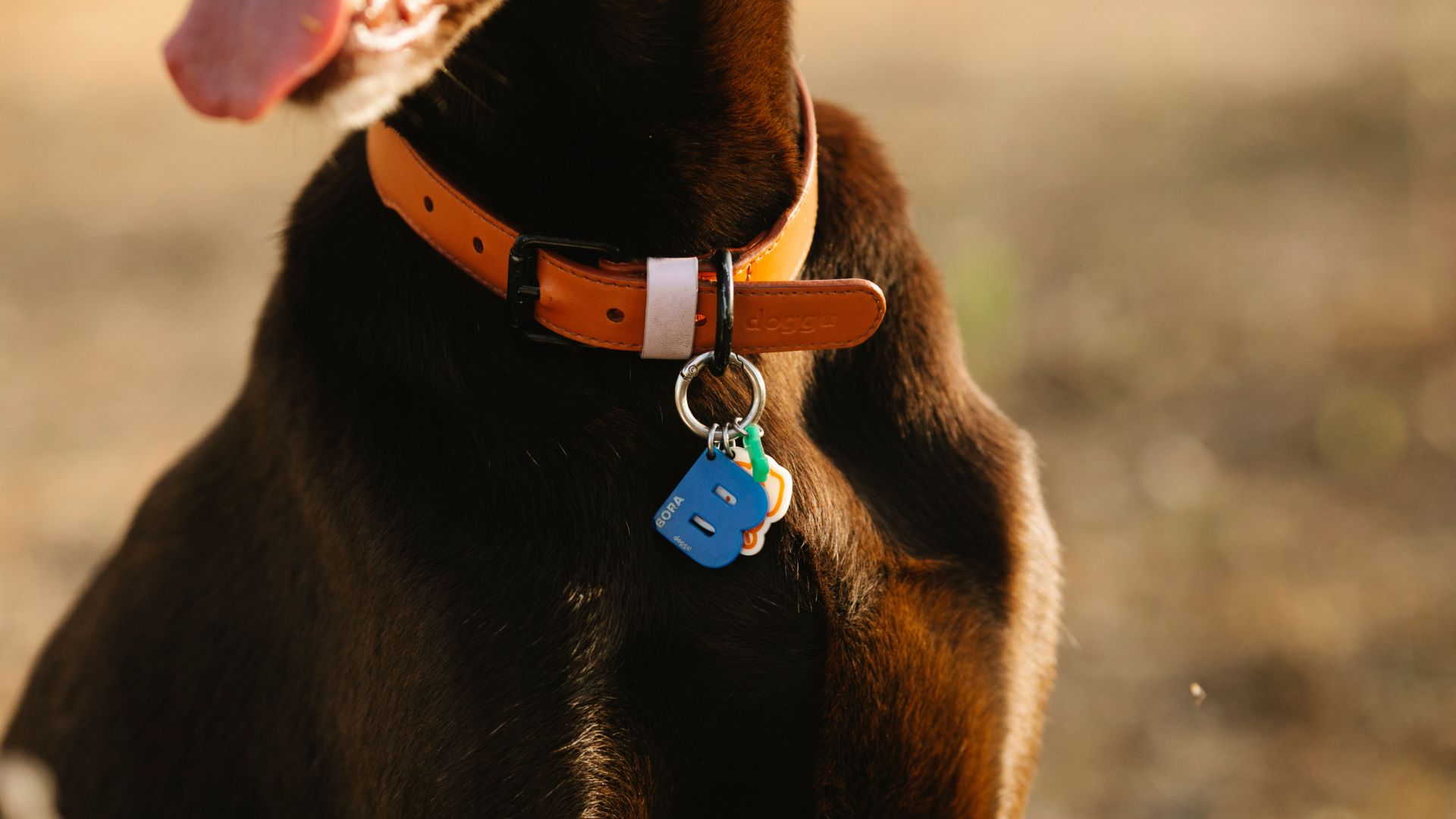
The failure that matters is hardware. Agree a minimum breaking load for clips, D-rings and buckles with the factory, have samples pull-tested, and repeat the test on random units at inspection. Check stitching at stress points, heat-sealed webbing ends and the attachment of reflective trim. For metal hardware, ask what it is made of and check for rust after a humidity test.
4.2 Toys
Because there is no dedicated UK legal standard for pet toys, your specification is the standard. Define the target animal and size, the expected chewing strength, how squeakers and other small parts are secured, and which dyes and materials are used. Ask for chemical tests on PVC and rubber, and test samples yourself with a few real dogs or cats before you approve production. Rope toys should not fray into long strands.
4.3 Beds and mats
Specify a removable cover that survives a wash at your stated temperature without shrinking or bleeding colour, a zip that will not split, the fill weight per size and a non-slip base. Beds are bulky, so most factories can vacuum- or compression-pack them; agree that up front, together with moisture-proof packing, because damp in a container leads to mould and odour.
4.4 Bowls, grooming tools and cat scratchers
For stainless steel bowls, ask for the steel grade in writing rather than relying on a magnet test. For ceramic bowls, test glazes for heavy metals. Grooming tools need smooth edges and pins that stay in place. Cat trees and scratchers must not tip over in normal use, so ask for a stability test and check the fixings and assembly instructions during inspection.
What is AQL?
AQL (Acceptable Quality Limit) is a statistical sampling method: the inspector checks a set number of units and passes or fails the batch against the number of defects agreed in advance.
Pre-Shipment Inspection Checklist for Pet Accessories
| Product | Key checks | How |
|---|---|---|
| Leads, collars, harnesses | Hardware strength, stitching, sizing | Pull test on sampled units; measure against size chart |
| Toys | Small parts, seams, squeaker fixing, odour | Pull and seam checks; compare against approved sample |
| Beds and mats | Cover fit, zip, fill weight, stitching, moisture | Measure and weigh; zip cycle check; inspect packing |
| Bowls | Finish, chips, base grip, material mark | Visual check; base slip check; documents |
| Grooming tools | Edges, pin retention, rust | Hand check; pin pull check; visual |
| Cat scratchers and trees | Stability, fixings, parts count | Assemble sample units; tilt check; count hardware packs |
| All products | Labels, barcodes, producer details, carton marks | Scan barcodes; check artwork against the approved proof |
Source: Easy Imex QC practice.
For a first order with a new factory, book a during-production inspection as well as a pre-shipment inspection. Our quality control and inspection services cover both.
5) Private Label: Packaging, Barcodes and Your Designs
Most UK pet brands buy existing designs from factories and add their own branding, or develop their own products. Either way:
- Packaging: agree retail-ready packaging, your barcodes, producer details and batch codes, care and supervision warnings, and approve a printed proof before mass production.
- Samples: sign off a reference (“golden”) sample and keep one in China and one in the UK, so inspections have something to compare against.
- Your designs: protect your artwork and product designs before sharing them; see our guide on how to protect your IP when manufacturing in China.
- Minimum orders: MOQs depend on materials and printing; custom colours, fabrics and printed packaging usually carry their own minimums, so ask for them per component.
Our private label products guide and 5 things about samples every importer should know go into more detail.
6) Shipping and Timing
Pet ranges are usually many SKUs from several factories, and much of the volume is light and bulky (beds, cat trees, plush toys). That makes consolidation the main logistics lever: combine suppliers into one container where you can, compression-pack beds and order KD (flat-packed) scratchers. Our guide to FCL vs LCL shipping explains when sharing a container still makes sense.
Chinese New Year falls on 6 February 2027. Factories slow down from mid-January and can take two to four weeks to return to full output, so anything not finished and shipped by mid-January will usually leave in March (see our Chinese New Year 2027 calendar). Include freight, duty, VAT, port charges and delivery in your landed cost before you agree prices.
Read Our Step-by-Step Import Guide

How Easy Imex Helps with Pet Product Sourcing
Easy Imex is a UK-owned sourcing company that has been based in Shanghai since 2005, and pet products are one of our categories (see our pet products page). For pet accessories we typically:
- find and audit factories for each product line, including suppliers that are not on Alibaba;
- turn your requirements into a written specification and manage samples against it;
- arrange laboratory testing for UK REACH restrictions where needed;
- run during-production and AQL-based pre-shipment inspections;
- consolidate several suppliers into one shipment to the UK.
Frequently Asked Questions
Do UK toy safety rules apply to pet toys?
Not normally. The Toys (Safety) Regulations 2011 define toys as products designed or intended for use in play by children under 14, so a toy designed for a dog or cat falls outside them. Pet toys still have to be safe under the General Product Safety Regulations 2005, and their plastic and rubber parts must meet UK REACH chemical restrictions.
What import duty applies to dog leads and collars from China?
Leads, collars, harnesses, muzzles and dog coats are classified under heading 4201 (saddlery and harness for any animal, of any material). In October 2026 the UK Trade Tariff showed a 2% third-country duty on 4201 00 00 00, plus 20% import VAT. Other pet products sit under different codes, so check each line.
Can I import dog chews from China with my accessories?
Chews and treats of animal origin are animal by-products and follow separate import controls, so they are not covered by this guide. Keep them out of an accessories order unless you have confirmed the rules for that product.
What should I test on pet toys made in China?
There is no dedicated UK legal standard for pet toys, so write your own requirements: durability and size for the target animal, secure squeakers and small parts, colourfast dyes, and laboratory tests for restricted phthalates in PVC and PAHs in rubber parts that people handle.
Where are most pet accessories made in China?
Pet accessories are made in many provinces, but Zhejiang, with the Yiwu wholesale market and the factories around it, is the easiest place to compare a wide range. For container orders, buy from the factory behind the market stall rather than from the stall itself.
What must be printed on pet product packaging in the UK?
Under regulation 7 of the General Product Safety Regulations 2005, the product or its packaging should show the name and address of the producer and a product reference or batch, unless it is not reasonable to do so. Retailers usually add their own requirements, such as barcodes and warnings.
Next Steps
- List your lines: group them into accessories that fit this guide, and anything that is food, animal-derived or electrical, which needs a separate process.
- Write the specification: materials, sizes, strength and durability requirements, washing and packaging for each product.
- Check codes and tests: commodity code and duty per line, and which UK REACH tests each material needs.
If you would like help with any of these steps, get in touch with our sourcing team.
About the Author: Adam

- Introduction
- 1) Which Pet Products UK Buyers Source from China
- 2) Where Pet Accessories Are Made in China
- 3) UK Rules for Pet Accessories
- 4) What to Specify and Inspect, Product by Product
- 5) Private Label: Packaging, Barcodes and Your Designs
- 6) Shipping and Timing
- How Easy Imex Helps with Pet Product Sourcing
- Frequently Asked Questions
- Do UK toy safety rules apply to pet toys?
- What import duty applies to dog leads and collars from China?
- Can I import dog chews from China with my accessories?
- What should I test on pet toys made in China?
- Where are most pet accessories made in China?
- What must be printed on pet product packaging in the UK?
- Next Steps
- About the Author: Adam
- Leave A Comment Cancel reply