

TL;DR
- CNY 2027 date: February 6, 2027 — the Year of the Fire Goat
- CNY 2026 date: February 17, 2026 — CNY 2027 falls 11 days earlier, compressing your planning window
- Golden Week 2027: October 1–7, 2027 (same dates apply for Golden Week 2026)
- Total CNY disruption window: 6–8 weeks — not 7 days. Factories slow from mid-January, close officially February 5–12, then take 2–4 weeks to recover
- Sea freight order deadline to beat CNY 2027: Approximately November–December 2026 depending on your production lead time
- Post-CNY worker attrition: 10–30% of factory workers may not return after Chinese New Year, directly affecting lead times and early-batch quality
- Golden Week and CNY are the two longest factory shutdown periods — but four other holidays (Qingming, Labour Day, Dragon Boat Festival, Mid-Autumn Festival) also disrupt production
- QC inspections: Third-party inspection companies also suspend during CNY — complete all pre-shipment inspections before mid-January 2027 or plan for March 2027

Chinese New Year 2027 falls on February 6 — but Chinese factories typically begin slowing production 2–4 weeks before that date and take a further 2–4 weeks to return to full capacity. If you are planning imports around the china factory shutdown chinese new year 2027 window, the official 7-day public holiday is the least of your concerns. The real disruption lasts 6–8 weeks in total.
Most importers plan around CNY. Far fewer plan around Golden Week (October), Qingming, Labour Day, Dragon Boat Festival, or Mid-Autumn Festival — all of which disrupt production schedules. This guide covers the complete 2026–2027 China factory holiday calendar, explains why factories take far longer to restart than the official dates suggest, and gives you a working order-deadline calculator to protect your supply chain. It is written from a sourcing-agent perspective — the people who actually manage orders through these shutdowns — not from a freight company’s vantage point.
1) The Complete China Factory Holiday Calendar 2026–2027
Chinese factories close for six major public holidays each year. Chinese New Year and Golden Week (October) cause the longest shutdowns, but Qingming, Labour Day, Dragon Boat Festival, and Mid-Autumn Festival also disrupt production for 1–5 days each. Planning your import calendar around all six — not just CNY — is essential for reliable lead times across the full 2026–2027 cycle.
China Factory Holiday Calendar 2026–2027
| Holiday Name | 2026 Dates | 2027 Dates | Official Days Off | Typical Factory Shutdown Duration | Production Impact |
|---|---|---|---|---|---|
| Chinese New Year (Spring Festival) | Feb 15–23, 2026 | Feb 5–12, 2027 | 7–8 days | 4–6 weeks total | High |
| Qingming Festival (Tomb Sweeping) | Apr 4–6, 2026 | Apr 4–6, 2027 | 3 days | 3–5 days | Low |
| Labour Day Golden Week (May) | May 1–5, 2026 | May 1–5, 2027 | 5 days | 5–7 days | Medium |
| Dragon Boat Festival | Jun 22–24, 2026 | Jun 10–12, 2027 | 3 days | 3–4 days | Low |
| Mid-Autumn Festival | Sep 29 – Oct 1, 2026 | Sep 19–21, 2027 | 3 days | 3–4 days | Low |
| National Day Golden Week (October) | Oct 1–7, 2026 | Oct 1–7, 2027 | 7 days | 1–2 weeks total | Medium |
Source: China State Council public holiday schedule. Factory shutdown durations reflect typical industry patterns and may vary by region and factory size. Verify final dates annually at english.www.gov.cn as the State Council sometimes shifts adjacent weekends.
One important planning note: China’s State Council officially announces public holiday adjustments each year, sometimes shifting adjacent Saturdays or Sundays to create longer breaks. The dates above reflect the standard schedule — always verify the official government announcement closer to each holiday season before locking in production deadlines.
Get a Free China Sourcing Consultation

2) Chinese New Year 2027 — What Importers Actually Need to Know
Chinese New Year 2027 falls on February 6, 2027 — the Year of the Fire Goat. This is 11 days earlier than CNY 2026 (February 17, 2026), which compresses the production window international buyers typically rely on after the Christmas and New Year period. Understanding the difference between the official holiday and the real factory shutdown is the single most important planning insight for any importer.
2.1 Official Holiday Dates vs. Real Factory Shutdown Dates
The China factory shutdown window for Chinese New Year 2027 is not 7 days — it is typically 6 to 8 weeks in total. This window breaks down as follows: factories begin slowing production 2–4 weeks before the official holiday (from mid-January 2027), the official public holiday runs approximately February 5–12, 2027, and full production recovery takes a further 2–4 weeks as workers return and operations normalise.
Official CNY Holiday vs. Real Factory Shutdown vs. Full Recovery
| Phase | What Happens | Typical Duration | Impact on Your Order |
|---|---|---|---|
| Pre-CNY Slowdown | Production slows, rush orders prioritised, freight rates rise (General Rate Increase applies) | 2–4 weeks (from mid-January 2027) | New orders may not be accepted; existing orders may slip |
| Official Public Holiday | Factories closed, staff travel home, zero production | 7–8 days (Feb 5–12, 2027) | No production, no communication, no shipments |
| Post-CNY Ramp-Up | Skeleton staff, new worker training, reduced capacity | 2–4 weeks (from mid-February 2027) | Lead times extended; early batches carry higher defect risk |
| Full Recovery | Normal capacity resumes once workforce stabilises | By early-to-mid March 2027 (typical) | Normal lead times resume |
Source: Typical durations based on industry sourcing experience. Actual dates vary by factory, region, and year.

2.2 Why CNY 2027 Is Earlier — And Why That Matters for Your Orders
Chinese New Year 2027 falls on February 6, 2027 — the Year of the Fire Goat. This is 11 days earlier than CNY 2026 (February 17, 2026), which compresses international buyers’ planning and order-placement windows compared to the previous year.
For importers who typically place January orders, this is a critical shift. The production window between the end of the Christmas holiday period in the West and the beginning of the CNY factory slowdown in mid-January 2027 is significantly shorter than in previous years. Any order that depends on production starting in early January 2027 is at serious risk — factories will be winding down, not ramping up.
2.3 What Happens Inside a Chinese Factory the Week Before CNY
The week before CNY is one of the most operationally chaotic periods in the Chinese manufacturing calendar. Here is what is actually happening on the factory floor:
- Rush order prioritisation: Factories push to complete existing confirmed orders before the shutdown — new orders placed in January are deprioritised or rejected outright
- Worker preparation: Production workers begin booking travel home; attendance drops as the holiday approaches
- Wage payments: China Labour Law requires factories to pay workers their annual wages before CNY — this creates a significant cash flow pressure in January that makes factories reluctant to take on new, complex, or high-deposit-risk orders
- Equipment shutdown prep: Machinery is cleaned, serviced, and powered down — this is not a one-hour process for a large furniture factory
- Freight rate spikes: The General Rate Increase (GRI) applied by ocean carriers before CNY means sea freight costs rise sharply in January — booking early is essential
To help minimise the impact on your shipment schedule, read our guide on how to minimise shipping delays for furniture imports.
“In our experience managing furniture factory orders in Guangdong, we rarely see factories back at full capacity before 2–3 weeks after the official holiday ends. The first week is always partial — skeleton staff, equipment checks, and waiting for workers to return from inland provinces.”

3) Golden Week October 2027 — The Shutdown Importers Forget
Golden Week (October) refers to China’s National Day Golden Week, observed from October 1–7 each year. Most Chinese factories close for the full 7-day public holiday, with a typical total disruption window of 1–2 weeks including pre-holiday slowdown and post-holiday restart. Golden Week 2027 runs October 1–7, 2027 — and it is the factory shutdown holiday that almost no competitor or logistics guide covers in any meaningful depth.
3.1 When Is Golden Week 2026 and 2027?
Both Golden Week 2026 and Golden Week 2027 run October 1–7. The dates are fixed to China’s National Day (October 1) and do not shift with the lunar calendar the way CNY does. This makes Golden Week more predictable than CNY for forward planning — but no less disruptive for importers who forget to account for it.
- Golden Week 2026: October 1–7, 2026
- Golden Week 2027: October 1–7, 2027
- Typical factory closure: Full 7 days (official holiday) with 1–2 weeks total disruption including slowdown and restart
- Production impact: Medium — shorter and faster to recover from than CNY, but still significant for tight delivery schedules
3.2 Golden Week vs. Chinese New Year — How Does the Disruption Compare?
Golden Week (October) typically causes 1–2 weeks of factory disruption compared to Chinese New Year’s 6–8 week total impact. Golden Week shutdowns are more predictable and recover faster because workers are not relocating long distances — most factory workers remain in or near the factory city during Golden Week rather than travelling to home provinces.
This makes Golden Week meaningfully different from CNY in two ways: the pre-holiday slowdown is shorter (days, not weeks), and the post-holiday restart is faster (workers are already nearby). That said, any order requiring delivery in October or early November 2027 needs to account for the first week of October being a complete production stop.
3.3 The Canton Fair Connection — October Trade Show Planning
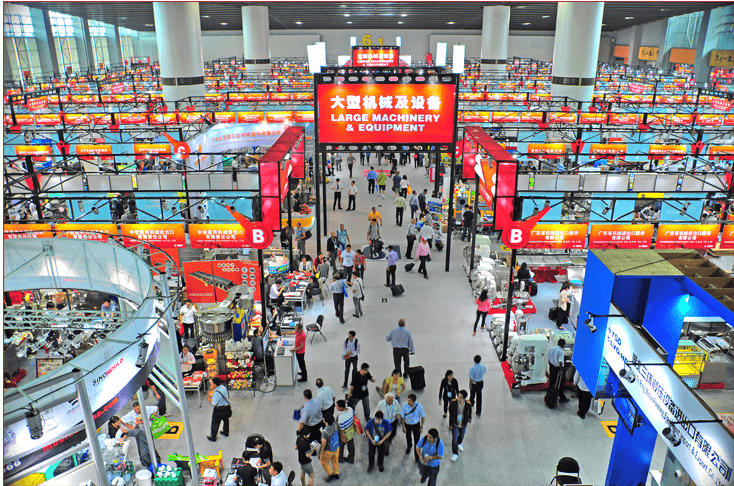
The October Canton Fair (Phase 3) typically opens in late October — but the Golden Week shutdown means factories are closed or at reduced capacity during the first two weeks of October. Buyers planning to attend the Canton Fair and then visit factories should schedule factory visits no earlier than mid-October to ensure factories are operating at normal capacity.
This is a planning detail that catches many international buyers off guard. They attend Canton Fair, identify suppliers, and then attempt to arrange factory visits in the same trip — only to find that factories are still in the post-Golden Week restart phase. Learn more about how to find the best factories in China and plan your visits strategically.
“Golden Week in October is the holiday importers consistently underestimate. We see clients book freight for October delivery without realising the factory is closed for the first week. By the time they ask us to check, the production slot is gone and the shipment is delayed by 3–4 weeks. Booking freight and confirming production completion dates in September is non-negotiable for October delivery targets.”
4) Why Do Chinese Factories Take Longer to Restart Than Expected?
The official CNY holiday ends. The factory doors open. But production does not immediately return to normal — and for importers expecting their goods to ship on time, this gap is where delays are born. Three structural factors explain why restart takes 2–4 weeks longer than the official dates suggest.
4.1 Chunyun — The World’s Largest Annual Migration
Chunyun — the Spring Festival travel rush — is the world’s largest annual human migration, during which hundreds of millions of Chinese workers travel from factory cities back to their home provinces for Chinese New Year. Because many workers return to regions like Guangdong, Zhejiang, and Fujian only after the holiday, and a significant share do not return at all, factories frequently operate at reduced capacity for 2–4 weeks after the official holiday ends.
For factories in major manufacturing hubs like Shenzhen, Foshan, and Yiwu, the workforce is overwhelmingly composed of migrant workers from inland provinces — Hunan, Guizhou, Guangxi, Sichuan. These workers travel hundreds or thousands of kilometres home for CNY. The return journey is equally long, expensive, and logistically complex. Factories cannot force workers to return on a specific date, and many choose not to return at all.
4.2 Post-CNY Worker Attrition — The Production Risk Nobody Tells You About
Post-CNY worker attrition is a structural risk in Chinese manufacturing: it is common for factories to experience 10–30% of their workforce not returning after Chinese New Year, as workers choose to stay in their home provinces or find closer employment. This forces factories to hire and train replacement workers, directly extending lead times and increasing early-batch quality variability.
When factories hire replacement workers after CNY, the first 2–4 weeks of production from new staff carries a higher defect risk — experienced workers who left took their product knowledge with them. For importers, this means the first production batch after CNY restart is the highest-risk batch of the year. If you receive poor quality products from China after a CNY restart, here is what to do when you receive poor quality products from China.
4.3 Regional Restart Differences — Guangdong, Zhejiang, and Fujian
Not all Chinese factories restart at the same speed. Regional worker migration patterns have a direct effect on how quickly different factory clusters return to normal capacity:
- Guangdong (Foshan, Shunde): Furniture and home goods factories here rely heavily on workers from inland provinces such as Hunan, Guizhou, and Guangxi — meaning the return journey after CNY is long and transport is highly competitive. Guangdong factories typically take 3–4 weeks to reach full capacity post-CNY
- Zhejiang (Anji): The chair manufacturing cluster in Anji, Zhejiang tends to have shorter worker migration distances — many workers are from neighbouring Anhui and Jiangxi provinces. Restarts here can be marginally faster, but attrition still applies
- Fujian: Timber-heavy product manufacturing in Fujian faces similar migration dynamics to Guangdong, with workers often returning from Jiangxi and inland Fujian communities. Plan for 2–3 weeks of reduced capacity post-CNY
If you source furniture from multiple regions, read our guide to major furniture manufacturing hubs in China to understand which hub your factory belongs to — and what that means for your restart timeline. For a broader guide on furniture importing, see our importing furniture from China overview.
“We track post-CNY restart dates across our entire supplier network every year. In some years, 20–25% of workers at a given factory simply do not come back. The factory then spends the first two to three weeks of February hiring from local labour markets and running informal training. The first production batch in that period is always the one we watch most closely for quality issues — it is where defects cluster.”
5) How to Calculate Your Real Order Deadline for CNY 2027
To calculate your order deadline for CNY 2027, work backward from February 6, 2027. Add your production lead time, then add your shipping transit time, then add a buffer of 2–3 weeks for CNY factory slowdown. The resulting date is the latest safe moment to confirm production. Miss this date and your goods will not ship until March 2027 at the earliest.
5.1 The Order Deadline Formula
The formula is straightforward — the discipline to apply it early is what separates importers who plan well from those who scramble in January:
- Step 1: Start with CNY factory slowdown date — approximately January 15, 2027 (mid-January)
- Step 2: Subtract your production lead time (e.g., 30 days = back to approximately December 16, 2026)
- Step 3: Subtract your sea freight transit time (e.g., 30 days to UK/Europe = back to approximately November 16, 2026)
- Step 4: This is your latest safe order placement date — add 1–2 weeks of buffer for good measure
Order Deadline Calculator — Working Backward from CNY 2027
| Production Lead Time | Shipping Method | Transit Time | CNY Buffer | Latest Order Placement Date |
|---|---|---|---|---|
| 15 days | Sea freight | 30 days | 3 weeks | Approx. November 18, 2026 |
| 30 days | Sea freight | 30 days | 3 weeks | Approx. November 3, 2026 |
| 45 days | Sea freight | 30 days | 3 weeks | Approx. October 19, 2026 |
| 15 days | Air freight | 7 days | 3 weeks | Approx. December 11, 2026 |
| 30 days | Air freight | 7 days | 3 weeks | Approx. November 26, 2026 |
| 45 days | Air freight | 7 days | 3 weeks | Approx. November 11, 2026 |
Source: Calculation based on CNY 2027 factory slowdown beginning approximately mid-January 2027. Add additional buffer for complex or custom products. Consult your sourcing agent for product-specific timelines.
5.2 Sea Freight vs. Air Freight Deadlines
Sea freight from China to the UK or Europe typically takes 28–35 days. An importer with 30 days production plus 30 days sea freight must place their order no later than early November 2026 to receive goods before the CNY factory slowdown begins in mid-January 2027. This is earlier than most importers expect.
Air freight buyers have slightly more flexibility — with a 7-day transit time, some air freight orders can be placed as late as late November or even December 2026. However, air freight during the pre-CNY rush is significantly more expensive due to demand spikes. Understand your options fully by reading our comparison of sea freight vs air freight from China, and see how to minimise shipping delays for furniture imports if you are already in a tight window.

Read the Step-by-Step Import Guide
6) Quality Control During and After the Factory Shutdown
Quality control is one of the most overlooked dimensions of CNY planning — because it is not just your factory that closes. Third-party inspection companies, quality auditors, and independent inspectors also shut down for CNY, compressing inspection capacity before and after the holiday.
6.1 Why QC Inspections Can’t Happen During CNY
Third-party quality control inspection companies suspend operations during Chinese New Year, typically from 1–2 weeks before the holiday through 1–2 weeks after. Importers must complete all pre-shipment inspections for furniture before mid-January 2027, or plan for inspections from March 2027 onwards.
This creates a bottleneck: every importer with goods nearing completion before CNY is trying to book inspection slots at the same time. Inspection companies fill their January slots fast. If you have not booked your pre-CNY inspection by early December 2026, you risk having no inspection option before the shutdown.
6.2 Post-CNY Quality Risks — New Workers, Rushed Restarts
The connection between post-CNY worker attrition and product quality is direct and well-documented in sourcing practice. When factories restart with a significant proportion of new or recently hired workers, early-batch defect rates are higher than at any other point in the year.
Two practical steps protect your post-CNY orders:
- Schedule a production-stage inspection — not just a final pre-shipment inspection — for your first order batch produced after CNY. Catching defects at the mid-production stage is far cheaper than rejecting a completed batch
- Do not rely on previous supplier performance data for your first post-CNY batch — the workforce that produced your previous orders may not be the workforce producing this one
Understand the business case for systematic quality control by reading why you should do quality control. And if quality issues have already occurred, see what to do when you receive poor quality products from China.

7) How to Manage Your Chinese Supplier Through a Shutdown
Managing your Chinese supplier through CNY is not passive. The importers who experience the fewest disruptions are those who confirm orders in writing, structure payments correctly, and maintain active communication channels before the factory goes dark.
7.1 When to Confirm Production Orders Before CNY
Confirm all production orders in writing — with a signed purchase contract and agreed delivery date — no later than early December 2026 for CNY-critical shipments. Factories become increasingly unreliable about accepting new orders as January approaches and production slots fill.
A verbal confirmation or email exchange is not sufficient. You need a formal China purchase contract that specifies production completion dates, restart dates, and delivery milestones. Understand exactly what goes into a sales contract with your factory before finalising terms for your CNY-cycle orders.
7.2 Deposit Protection — What Your Contract Should Say About CNY Delays
CNY creates specific financial risks around deposits: factories collect upfront payments in December and January, then go dark for weeks. Without contract protections in place, importers have limited recourse if restart is delayed or production quality is poor.
- Agreed restart date: Your contract should specify the factory’s agreed production restart date after CNY — not just the completion date
- Final balance timing: Never release the final balance payment until goods have passed a pre-shipment inspection
- No 100% upfront payments: Never pay 100% upfront to a factory entering a CNY shutdown — structure payments so your leverage is retained until production is confirmed complete
- Delay clause: Include a clause specifying that CNY is not a valid excuse for delays beyond the agreed restart date
For guidance on structuring payments, read how to broker favorable payment terms and understand all 6 ways to pay your Chinese supplier.
7.3 Staying in Contact When Your Factory Goes Dark
WeChat is the standard factory communication channel in China — not email. Before CNY, establish direct WeChat contact with at least two factory contacts: your account manager and, if possible, the production floor supervisor. Agree on a specific date when the factory will send you a restart confirmation message.
If your factory goes silent after the official holiday ends and does not respond to WeChat messages, escalate through your sourcing agent. A China-based agent can make direct phone or in-person contact to confirm restart status, protecting your order timeline. This is also why good Chinese suppliers don’t reply to your emails — the communication channel matters.

8) Your Month-by-Month Action Timeline: August 2026 to March 2027
The earlier you plan around Chinese New Year 2027, the more options you have. Use this month-by-month timeline as a planning checklist — working backward from the February 6, 2027 factory shutdown. Every month of delay narrows your options and raises your costs.
Month-by-Month Action Timeline: August 2026 to March 2027
| Month | Key Action | Reason |
|---|---|---|
| August 2026 | Review annual forecast; identify CNY-sensitive SKUs | Longest lead-time items need the earliest order placement — identify them now |
| September 2026 | Confirm supplier production capacity for Q4 2026 | Factories fill production slots early; capacity confirmation protects your schedule |
| October 2026 | Golden Week Oct 1–7: no production. Place all pre-Golden Week orders now | October 1–7 is a full factory shutdown — orders placed in late September ship earlier |
| November 2026 | Place all CNY-critical orders; confirm production start dates in writing | This is the last safe month for sea freight orders with 30+ day production lead times |
| December 2026 | Final order cutoff for sea freight; book freight capacity early | Pre-CNY freight rates spike in January — December booking locks in better rates |
| January 2027 | Factories slow from mid-January; complete all pre-shipment inspections; confirm restart dates | Inspection slots fill fast; factories become unreliable for new orders from mid-month |
| February 2027 | CNY February 6; factories closed. Use this period for new supplier scouting and product planning | No production possible — invest this time in next season’s supplier strategy |
| March 2027 | Factories ramp up; confirm restart; schedule post-CNY production-stage inspections | First post-CNY batches carry higher quality risk — inspect early, not at shipment |
Source: Timeline based on CNY 2027 date of February 6. Adjust lead times based on your specific product and supplier location. Verify official holiday dates annually via the China State Council.
The single most critical action in this timeline is placing orders by November 2026. Everything after that is risk management — and the tools available to you shrink with every week of delay.
How Easy Imex Helps You Plan Around China Factory Shutdowns
When managing orders around Chinese New Year, look for a sourcing partner who has permanent staff in China — not just agents who work remotely — and who can physically confirm factory restart dates, monitor early-batch quality, and protect your deposit payments through a structured purchase contract.
Easy Imex operates year-round from China, managing supplier relationships through every holiday cycle. Here is what that means in practice for CNY and Golden Week planning:
- Supplier verification and PO management: We confirm production orders in writing with bilingual contracts, agreed delivery dates, and restart milestones built in — before any deposit is paid
- Production monitoring: Our team tracks production progress against your schedule in real time — flagging slowdowns in October (Golden Week) and January (pre-CNY) before they become missed deadlines
- Pre-shipment inspections: We schedule and manage AQL-based pre-shipment inspections before the mid-January factory slowdown and for all first post-CNY production batches — the highest-risk batches of the year
- Post-CNY quality checks: We schedule production-stage inspections for first post-CNY batches specifically, because that is where new-worker defect rates cluster
- Factory restart confirmation: We make direct contact with factory management after CNY to confirm restart dates, workforce status, and production capacity — giving you accurate information to plan freight bookings
- Shipping coordination: From FCL and LCL sea freight to air freight contingencies, we coordinate door-to-door shipping and help you book capacity before pre-CNY GRI rate increases apply
Learn more about why Easy Imex is among the best furniture sourcing agencies in China and how finding the best sourcing company in China changes your CNY planning entirely.

Frequently Asked Questions
When do Chinese factories close for Chinese New Year 2027?
Chinese factories begin slowing production approximately 2–4 weeks before Chinese New Year, meaning the slowdown starts around mid-January 2027. The official public holiday runs approximately February 5–12, 2027 (8 days). Most factories do not return to full production capacity until early-to-mid March 2027, making the total disruption window 6–8 weeks. CNY 2027 is the Year of the Fire Goat.
How long does the factory shutdown last for Chinese New Year?
The official CNY public holiday is 7–8 days. However, the real disruption lasts 6–8 weeks in total: 2–4 weeks of pre-CNY production slowdown beginning in mid-January, the official 7–8 day holiday, and a further 2–4 weeks for the full workforce to return and for production to recover to normal capacity.
What is Golden Week and when is it in 2027?
Golden Week (October) is China’s National Day public holiday, observed October 1–7 every year. Golden Week 2027 runs October 1–7, 2027. Most Chinese factories close for the full 7 days, with a typical total disruption window of 1–2 weeks including pre-holiday slowdown and post-holiday restart. Unlike CNY, Golden Week is fixed to the same dates every year and does not involve long-distance worker migration.
What is Chunyun and why does it affect factory production?
Chunyun is the Spring Festival travel rush — the world’s largest annual human migration — during which hundreds of millions of Chinese factory workers travel from factory cities back to their home provinces for CNY. Because many workers return slowly or not at all, factories operate at reduced capacity for 2–4 weeks after the official holiday ends. This is the primary reason Chinese factories take far longer than expected to restart after CNY.
When should I place orders to avoid Chinese New Year 2027 delays?
For sea freight, place orders no later than November 2026 if your production lead time is 30 days or more. For air freight, you may have until late November or December 2026 depending on lead time. Work backward from February 6, 2027 using your production lead time plus shipping transit time plus a 2–3 week CNY buffer to calculate your specific order cutoff date.
Does Chinese New Year affect product quality inspections?
Yes. Third-party quality control inspection companies also suspend operations during CNY. Complete all pre-shipment inspections before mid-January 2027, or plan inspections from March 2027 onwards. Additionally, always schedule a production-stage inspection for your first post-CNY batch — new factory workers hired to replace those who did not return significantly increase early-batch defect risk.
What should I do if my factory doesn’t reopen after CNY on time?
Contact your factory via WeChat to confirm their restart date — WeChat is the standard communication channel in Chinese manufacturing. If they are unresponsive, escalate through your sourcing agent who can make direct local contact. Check your purchase contract for agreed restart dates and delivery deadlines. If production is significantly delayed, assess whether air freight can recover your schedule for time-sensitive goods.
What other Chinese holidays disrupt manufacturing beyond CNY and Golden Week?
Four additional holidays disrupt production each year: Qingming Festival (Tomb Sweeping Day, April, 3 days), Labour Day Golden Week (May, 5 days), Dragon Boat Festival (June, 3 days), and Mid-Autumn Festival (September, 3 days). These cause shorter factory shutdowns of 3–7 days each but can still affect lead times for tight production schedules, particularly if they fall near a planned inspection or shipment date.
Next Steps
The 2026–2027 China factory shutdown calendar is predictable — the disruption it causes to your supply chain does not have to be. Here are three concrete actions to take now:
- Use the order deadline calculator table above to map your specific production and shipping lead times against the February 6, 2027 CNY date — then confirm your November or December order cutoff with your supplier in writing, with a signed purchase contract
- Schedule your pre-shipment inspection now for January 2027 (before the mid-January factory slowdown) or March 2027 (post-CNY restart) — do not leave this until the last minute as inspection slots fill up across all inspection companies simultaneously
- Speak to a China sourcing specialist about managing your supplier through the CNY 2027 shutdown — including deposit protection, restart date confirmation, production monitoring through Golden Week in October, and post-CNY quality monitoring for first-batch production
Conclusion: Plan Earlier Than You Think You Need To
The china factory shutdown chinese new year 2027 window is 6–8 weeks, not 7 days. Golden Week in October adds another 1–2 weeks of disruption most importers do not account for. Four other public holidays create additional friction throughout the year. The importers who navigate this calendar without costly delays are not lucky — they plan in October and November for a February shutdown, and they have a China-based sourcing partner who confirms restart dates and monitors quality when they cannot be on the ground themselves.
Whether you are placing your first CNY-cycle order or refining a process you have managed for years, the right sourcing partner makes the difference between goods that arrive on schedule and goods that sit in a factory until March. Get in touch with Easy Imex to discuss your 2026–2027 import calendar.
About the Author: Adam

- 1) The Complete China Factory Holiday Calendar 2026–2027
- 2) Chinese New Year 2027 — What Importers Actually Need to Know
- 3) Golden Week October 2027 — The Shutdown Importers Forget
- 4) Why Do Chinese Factories Take Longer to Restart Than Expected?
- 5) How to Calculate Your Real Order Deadline for CNY 2027
- 6) Quality Control During and After the Factory Shutdown
- 7) How to Manage Your Chinese Supplier Through a Shutdown
- 8) Your Month-by-Month Action Timeline: August 2026 to March 2027
- How Easy Imex Helps You Plan Around China Factory Shutdowns
- Frequently Asked Questions
- When do Chinese factories close for Chinese New Year 2027?
- How long does the factory shutdown last for Chinese New Year?
- What is Golden Week and when is it in 2027?
- What is Chunyun and why does it affect factory production?
- When should I place orders to avoid Chinese New Year 2027 delays?
- Does Chinese New Year affect product quality inspections?
- What should I do if my factory doesn’t reopen after CNY on time?
- What other Chinese holidays disrupt manufacturing beyond CNY and Golden Week?
- Next Steps
- Conclusion: Plan Earlier Than You Think You Need To
- About the Author: Adam
- Leave A Comment Cancel reply