

TL;DR
- Scope: non-electrical accessories: dumbbells, kettlebells, weight plates, resistance bands, exercise mats, grips and straps.
- Specify everything that is measurable: weight tolerance, bore diameter, coating, rubber type and odour, band thickness and layers, mat thickness and material.
- UK rules: no UKCA marking for these products, but the General Product Safety Regulations 2005 apply, and UK REACH limits PAHs in rubber parts that touch skin and certain phthalates in PVC.
- Duty: most items fall under 9506 91, which carried a 2% UK duty in October 2026, plus 20% VAT.
- Where to look: Nantong, Jiangsu, is a major cluster for free weights and fitness equipment.
- Shipping: weights fill a container by weight, not volume; mix them with light items to bring the cost per unit down.
Introduction
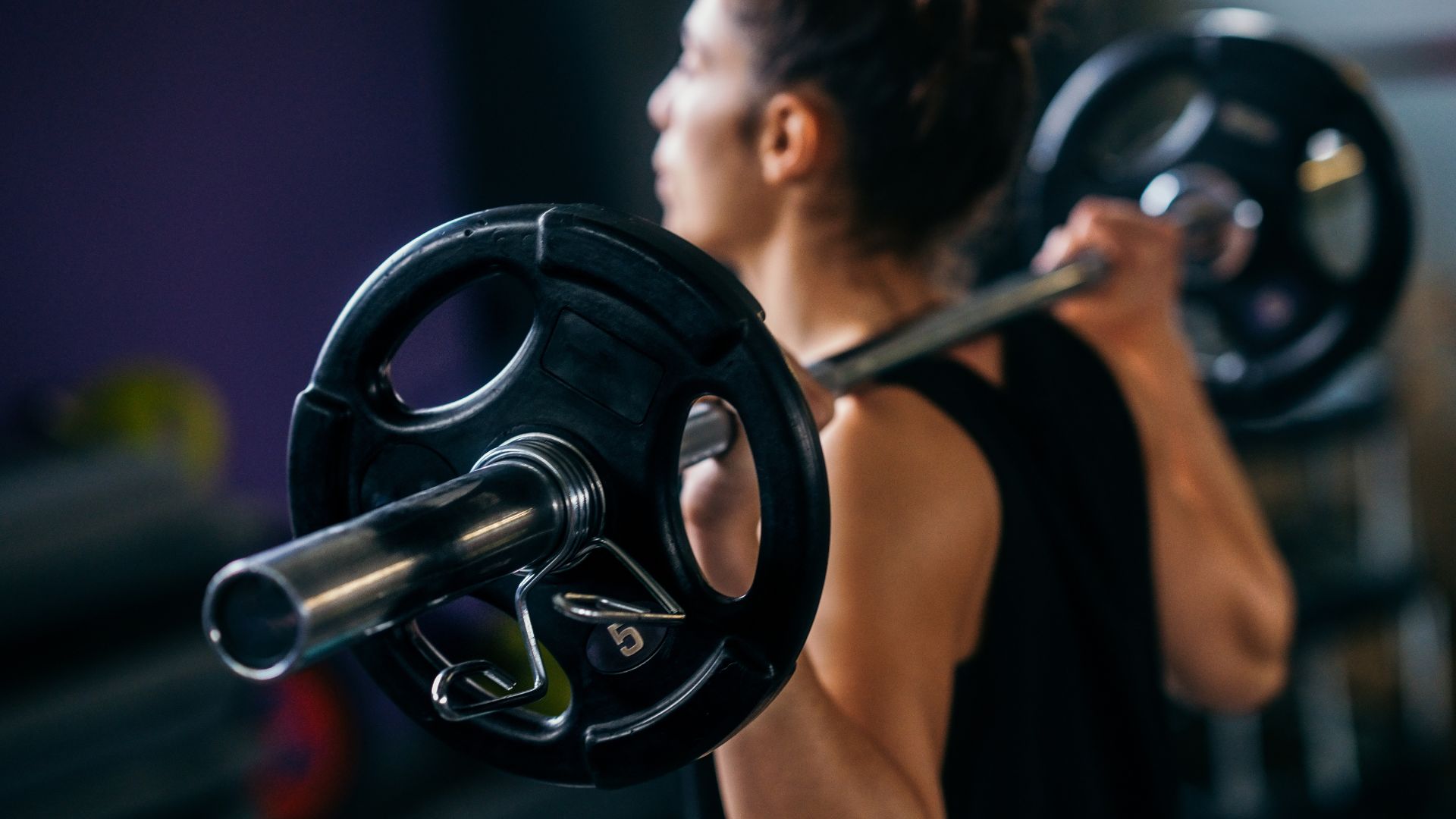
Gym accessories look like easy products to source: a dumbbell is a lump of iron, a resistance band is a strip of rubber. In practice, most problems UK buyers face come from things nobody wrote down: weights that are lighter than the label, plates that do not fit the bar, mats that smell, bands that snap, or freight costs that wipe out the margin on cast iron.
This guide is for UK retailers, gym suppliers and fitness brands buying in container quantities. It covers timing, specifications, where the factories are, inspections, UK rules, shipping and private label. It focuses on non-electrical accessories; treadmills, bikes and other powered machines follow different rules. For our services in this category, see our gym and fitness sourcing page, and for general advice on finding suppliers in this sector, our guide to suppliers in China.
1) Timing: New Year Demand and Chinese New Year 2027
For many UK fitness retailers January is a key selling period, and it collides with the Chinese calendar. Chinese New Year falls on 6 February 2027; factories slow down from mid-January and can take two to four weeks to return to full output afterwards (see our Chinese New Year 2027 calendar).
With six to seven weeks of sea freight while ships divert around the Cape of Good Hope (see our supply chain disruptions guide), stock for January 2027 needed to leave China by early November. If you are reading this in October, realistically only repeat orders of items the factory already makes can still make it. New products are better planned for spring and summer 2027, or for January 2028, with samples approved well before the autumn.
2) What to Specify for Each Gym Accessory
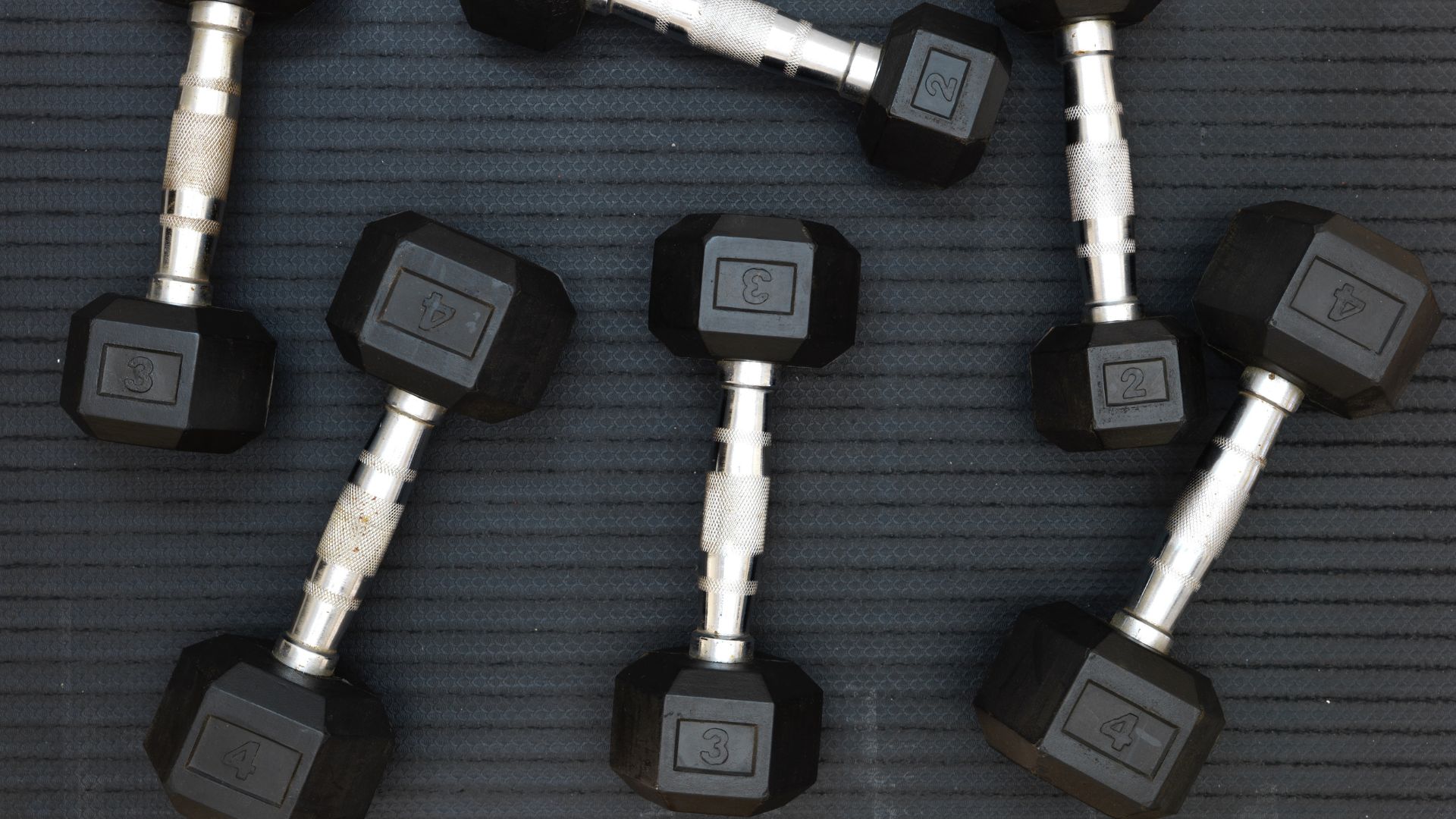
2.1 Dumbbells and kettlebells
Choose the finish first: bare or painted cast iron (cheapest, can rust and mark floors), rubber-coated or urethane-coated (quieter and floor-friendly), neoprene or vinyl (light home-use weights, colour-coded) or chrome (studio look, plating can blister). Then specify:
- Weight tolerance: there is no legal tolerance for training weights, so agree one in writing per product and state how it will be checked.
- Head shape and handle: hex heads stop dumbbells rolling; agree handle diameter, length and knurling finish against a sample.
- Rubber quality and odour: ask what the coating is made of and approve the smell on the sample. Strong odours are a common cause of returns.
- Casting finish: no sharp seams, holes or flaking paint, especially on kettlebell handles.
For kettlebells, decide between cast iron “standard” kettlebells, which grow in size with weight, and competition-style kettlebells, which keep the same dimensions across weights. They are different products from different moulds, so state which you want.
2.2 Weight plates
The bore is the specification that cannot be fixed later. Olympic plates fit 50 mm (2-inch) bar sleeves, while “standard” plates fit thinner bars of roughly 25 to 30 mm (1-inch). Put the bore diameter and its tolerance in the purchase order. For bumper plates, specify virgin or recycled rubber, hardness, insert material and drop durability, and approve the smell: recycled rubber is cheaper but often smells stronger.
2.3 Resistance bands
Bands are made from natural latex or from latex-free TPE. Latex is very elastic and durable but can cause reactions in people with a latex allergy, so label it clearly. Resistance labels (“light”, “medium”, “heavy”) are not standardised between factories, so specify thickness, width, length and layer construction instead, and test elongation and repeated stretching on samples. Rubber degrades in sunlight and heat, so agree packaging that keeps light out.
2.4 Exercise and yoga mats
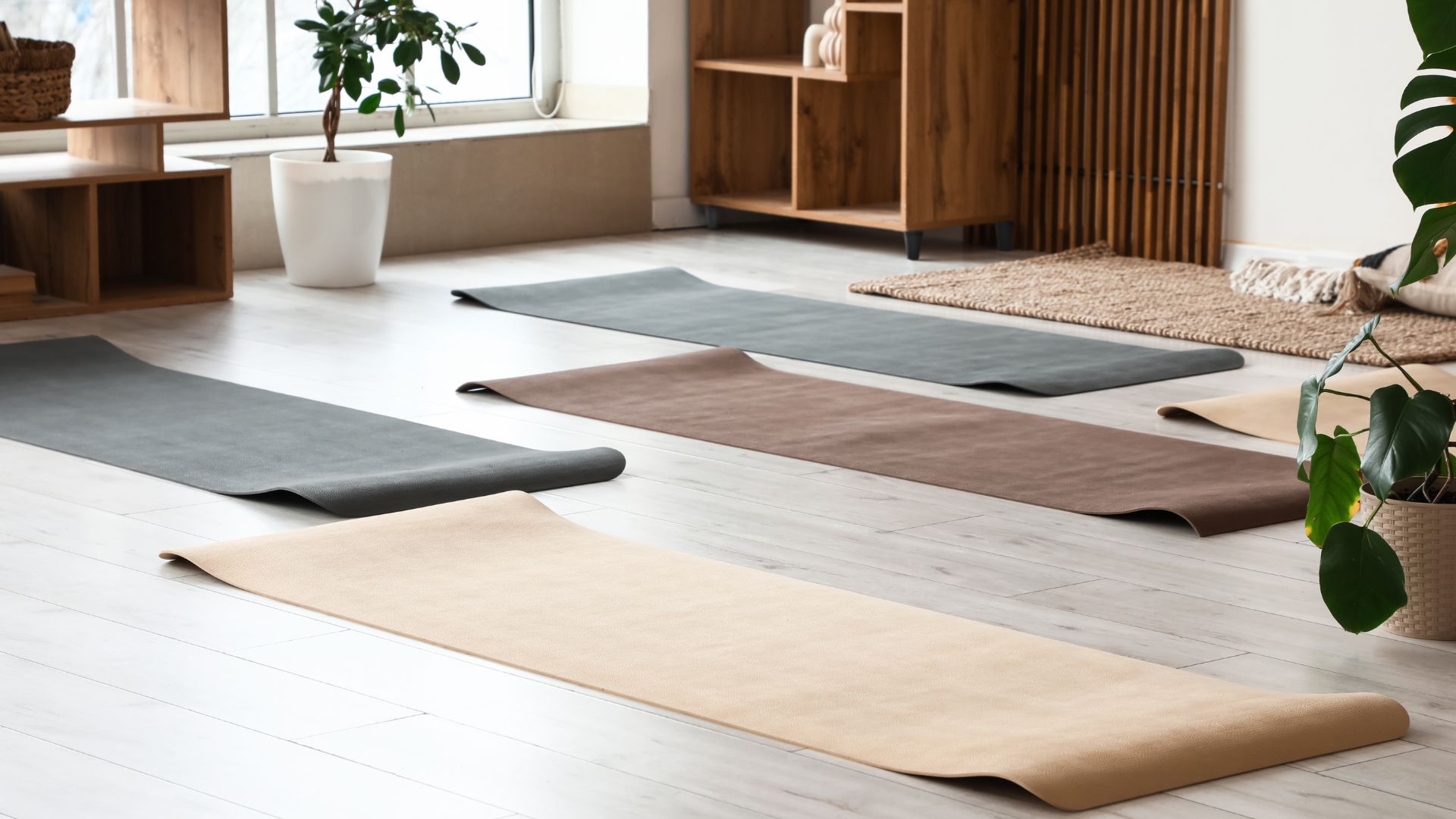
Common materials are PVC, TPE, NBR foam, EVA foam and natural rubber, sometimes with a cork or microfibre top. Each feels different, so choose on a sample, then specify material, thickness and tolerance, size, surface texture and grip. PVC brings the phthalate restriction described in section 5, and rubber brings the PAH restriction. As with weights, approve the smell before production.
2.5 Grips, straps and belts
For lifting straps, wrist wraps and belts, specify material (nylon, cotton, leather, neoprene), stitching at load points, buckle and D-ring material, and a minimum load the finished product must hold. Rubber or plastic grip areas that are in contact with the skin fall under the PAH restriction.
Gym Accessories: What to Specify
| Product | Key specifications | Common failure |
|---|---|---|
| Dumbbells | Finish, weight tolerance, head shape, handle diameter and knurling, coating material | Underweight units, coating peeling, strong odour |
| Kettlebells | Standard or competition style, handle diameter and finish, weight tolerance | Rough casting seams on the handle, chipped paint |
| Weight plates | Bore diameter and tolerance, material, hardness, drop durability | Plates that do not fit the bar, cracking bumpers |
| Resistance bands | Latex or TPE, thickness, width, length, layers, labelling | Snapping, inconsistent resistance between batches |
| Exercise mats | Material, thickness and tolerance, size, texture, packaging | Odour, tearing, curling edges, slippery surface |
| Grips, straps, belts | Material, stitching, hardware, minimum load | Stitching or buckle failure under load |
Source: Easy Imex sourcing experience.
3) Where Gym Accessories Are Made in China
Gym accessories are made in many parts of China, but Nantong in Jiangsu province stands out for free weights and fitness equipment. According to the city government, Nantong’s sports equipment industry generates nearly 10 billion yuan in output, with fitness equipment exports leading East China (Nantong government, December 2025). Within Nantong, Xindian town in Rudong county had 94 fitness equipment companies making nearly 2,000 varieties of exercise equipment when China Daily reported on it (China Daily, July 2019).
Bands, mats and grips are made by rubber, foam and textile factories that are spread more widely, and the best supplier for a mat is rarely the best supplier for a dumbbell. Expect to work with several factories and consolidate the order (see section 6). Around 70% of the products Easy Imex sources come from factories that are not listed on Alibaba, so look beyond online platforms. To check whether a supplier is a real manufacturer, see our guides on trading companies versus manufacturers and our China factory audit checklist.

4) Quality Control: What to Check Before Shipment
What is AQL?
AQL (Acceptable Quality Limit) is a statistical sampling method: the inspector checks a set number of units and passes or fails the batch against the number of defects agreed in advance.
For weights, the most valuable check is the simplest: weigh a sample of every SKU on calibrated scales and compare it with your agreed tolerance. Do not rely on the factory’s own records.
Pre-Shipment Inspection Checklist for Gym Accessories
| Product | Key checks | How |
|---|---|---|
| Dumbbells and kettlebells | Weight, coating adhesion, casting finish, odour, labels | Calibrated scales per SKU; visual and hand check; compare with approved sample |
| Weight plates | Bore diameter, weight, cracks, inserts | Bore gauge; scales; fit test on the intended bar |
| Resistance bands | Dimensions, layers, elongation, labelling | Measure; stretch test on samples; check labels and warnings |
| Exercise mats | Thickness, size, surface defects, odour, packaging | Callipers and tape; visual check; smell check against sample |
| Grips, straps, belts | Stitching, hardware, load | Visual check; load test on sampled units |
| All products | Carton strength and weight, barcodes, producer details | Drop test on packed cartons; scan barcodes; artwork check |
Source: Easy Imex QC practice.
Heavy goods need strong packaging: agree carton grade and maximum carton weight, and drop-test packed cartons. For a first order with a new factory, book a during-production inspection as well as a pre-shipment inspection, so weight or coating problems are caught while they can still be fixed. Our quality control and inspection services cover both.
5) UK Rules for Gym Accessories
5.1 Product safety
Non-electrical gym accessories are not covered by a UKCA product regulation, so they do not carry UKCA marking. The baseline is the General Product Safety Regulations 2005: products sold to consumers must be safe in normal and reasonably foreseeable use, and the product or its packaging should show the producer’s name and address and a product or batch reference. In March 2026 the government consulted on a new product safety framework to replace the 2005 Regulations, so check for updates before you finalise 2027 packaging. If you add benches or racks to your range, the EN ISO 20957 series on stationary training equipment is the usual reference for testing.
5.2 Chemicals: UK REACH
- PAHs: rubber or plastic parts that come into direct and prolonged or short-term repetitive contact with human skin must not contain more than 1 mg/kg of any of the listed PAHs. The restriction names sport equipment, gloves and sportswear among its examples, so rubber-coated weights, handles, grips and mats are squarely in scope (Regulation (EU) No 1272/2013, retained in UK law).
- Phthalates: DEHP, DBP, BBP and DIBP are restricted at 0.1% or more by weight in plasticised material in articles, which matters for PVC mats and vinyl-coated weights (Regulation (EU) 2018/2005, retained in UK law).
Ask for test reports from an accredited laboratory on the actual production materials. Our product compliance guide covers the wider picture.
What is UK REACH?
UK REACH is Great Britain’s chemicals regulation. Among other things, it restricts certain hazardous substances in products (“articles”) placed on the GB market.
5.3 Import duty and VAT
Most free weights and exercise accessories are classified under 9506 91, “articles and equipment for general physical exercise, gymnastics or athletics”. In October 2026 the UK Trade Tariff showed a 2% third-country duty on 9506 91 90 00, with no additional measures for goods from China. Mats, grips, straps and belts can be classified differently depending on material, so check each line. Import VAT is charged at 20% on the customs value plus duty. Our guide to UK import duties from China explains the calculation, and our China vs Vietnam sourcing guide covers when sourcing elsewhere changes the duty picture.
6) Shipping Heavy and Mixed Loads
Weights are dense: a container of cast iron reaches its weight limit long before it is full, and road delivery limits in the UK can cap the load further. Ask your forwarder for the maximum cargo weight that can be delivered to your warehouse before you plan quantities.
The practical answer is mixing. Light, bulky products such as mats, foam rollers and bands can fill the space above a floor of weights in the same container, which brings the freight cost per item down. That works best when one partner coordinates several factories and the loading plan. For the basics, see our guides to FCL vs LCL shipping and shipping by container from China to the UK, and include freight, duty, VAT, port charges and delivery in your landed cost before you agree prices.
What is FCL?
FCL (Full Container Load) means you book a whole container for your goods, rather than sharing one with other shippers (LCL, Less than Container Load).
Read Our Step-by-Step Import Guide
7) Private Label Gym Accessories
Most UK fitness brands buy factory designs with their own branding, or develop their own. Logos cast or engraved into dumbbells and plates need moulds or tooling: agree in writing who owns them and where they are kept. Approve printed packaging and labels (including producer details, batch codes and latex warnings where relevant) on a proof before production, and keep a signed reference sample in China and one in the UK. Protect your designs before you share them; see our guide on how to protect your IP when manufacturing in China. Minimum order quantities vary by product, finish and packaging, so ask for them per component. Our private label products guide and 5 things about samples every importer should know go into more detail.
How Easy Imex Helps with Gym Accessory Sourcing
Easy Imex is a UK-owned sourcing company that has been based in Shanghai since 2005, and gym and fitness products are one of our categories (see our gym and fitness page). For gym accessories we typically:
- find and audit the right factory for each product type, including suppliers that are not on Alibaba;
- turn your requirements into written specifications, from weight tolerance to mat thickness, and manage samples against them;
- arrange UK REACH laboratory testing where needed;
- weigh, measure and test during production and before shipment, using AQL sampling;
- plan mixed container loads across several factories and ship them to the UK.
Frequently Asked Questions
Do dumbbells and resistance bands need UKCA marking?
Non-electrical gym accessories such as dumbbells, kettlebells, weight plates, resistance bands and exercise mats are not covered by a UKCA product regulation. They must still be safe under the General Product Safety Regulations 2005, and their rubber and plastic parts must meet UK REACH restrictions.
What import duty applies to gym accessories from China?
Most free weights and exercise accessories are classified under 9506 91 (articles and equipment for general physical exercise). In October 2026 the UK Trade Tariff showed a 2% third-country duty on 9506 91 90 00, plus 20% import VAT. Check the code for each product, as mats, grips and straps can be classified differently.
What weight tolerance should I specify for dumbbells?
There is no legal tolerance for training weights, so agree one in writing with the factory for each product and check it at inspection with calibrated scales. Competition and calibrated equipment is made to much tighter tolerances than standard training weights, and costs more as a result.
Where are dumbbells and kettlebells made in China?
Nantong in Jiangsu province is one of the main clusters. Its government says the city’s sports equipment industry generates nearly 10 billion yuan in output, and Xindian town in Rudong county had 94 fitness equipment companies when China Daily reported on it in 2019.
Latex or TPE resistance bands: which should I source?
Latex bands are very elastic and durable but can cause reactions in people with a latex allergy, so they need clear labelling. TPE bands are latex-free and suit buyers who want to avoid that risk. In both cases, specify thickness and layer construction, not just a colour or resistance label.
Why are shipping costs higher for weights than for other products?
Cast iron and rubber weights are dense, so a container reaches its weight limit long before it is full. Mixing weights with light, bulky items such as mats or foam rollers in the same container uses the space better and lowers the freight cost per item.
Next Steps
- Pick the season: decide whether a product is a repeat order that can still ship before Chinese New Year, or a new product for spring 2027 or January 2028.
- Write the specification: tolerances, materials, finishes, sizes, labelling and packaging for every SKU.
- Plan the load: combine heavy and light products and check the maximum deliverable weight with your forwarder.
If you would like help with any of these steps, get in touch with our sourcing team.
About the Author: Adam
