


TL;DR
Furniture quality control in China is a systematic inspection process conducted at multiple stages to ensure products meet international standards before shipment, involving structural integrity, material quality, and compliance verification.
- 8 Critical Inspection Points: Structural integrity, surface finish, hardware, dimensions, safety compliance, packaging, documentation, and functionality testing
- Regional Quality Variations: Guangdong produces high-end furniture, Shandong specializes in solid wood, Hebei focuses on budget options
- Optimal Timing: Pre-shipment inspections when 80% of production is complete offer best cost-benefit ratio
- Common Defects: Wood furniture suffers from moisture issues, metal furniture has welding defects, upholstered pieces face fabric inconsistencies
- Cost Impact: Poor quality control can cost 3-5x more than prevention through proper inspection protocols
- Communication Strategy: Clear specifications, bilingual contracts, and structured QC checkpoints prevent most quality failures
Furniture quality control China is a systematic inspection process conducted at multiple stages to ensure products meet international standards before shipment, involving structural integrity, material quality, and compliance verification. When importing furniture from China, quality failures can devastate your business through defective shipments, customer returns, and regulatory compliance issues that cost importers 3-5x more than implementing proper quality control measures upfront.
China produces 39% of global furniture, yet quality variations across manufacturing regions create significant challenges for international buyers. Without proper inspection protocols, importers face moisture damage in wood furniture, welding defects in metal pieces, and fabric inconsistencies in upholstered items that can destroy brand reputation and customer relationships.
This comprehensive guide reveals the 8 critical inspection points that separate successful furniture importers from those facing costly quality disasters. You’ll discover China-specific manufacturing insights, regional quality variations, and practical strategies for working with Chinese suppliers to ensure your furniture meets international standards before it ships.
1. Why Is Furniture Quality Control Critical in China’s Manufacturing Landscape?
Chinese furniture inspection is essential because China’s manufacturing landscape presents unique quality challenges through seasonal workforce fluctuations, regional specialization differences, climate considerations, and varying export compliance standards that can significantly impact product quality without proper controls.
China’s furniture manufacturing landscape creates distinct quality management requirements:
- Seasonal workforce fluctuations: Chinese New Year and peak seasons create staffing changes that affect consistency and require additional quality monitoring
- Regional specialization advantages: Different provinces excel in specific furniture types but maintain varying quality standards and manufacturing approaches
- Climate impact on materials: Humidity and temperature changes during production and shipping affect wood stability, metal corrosion, and fabric performance
- Export compliance complexity: International safety standards often differ significantly from domestic Chinese market requirements
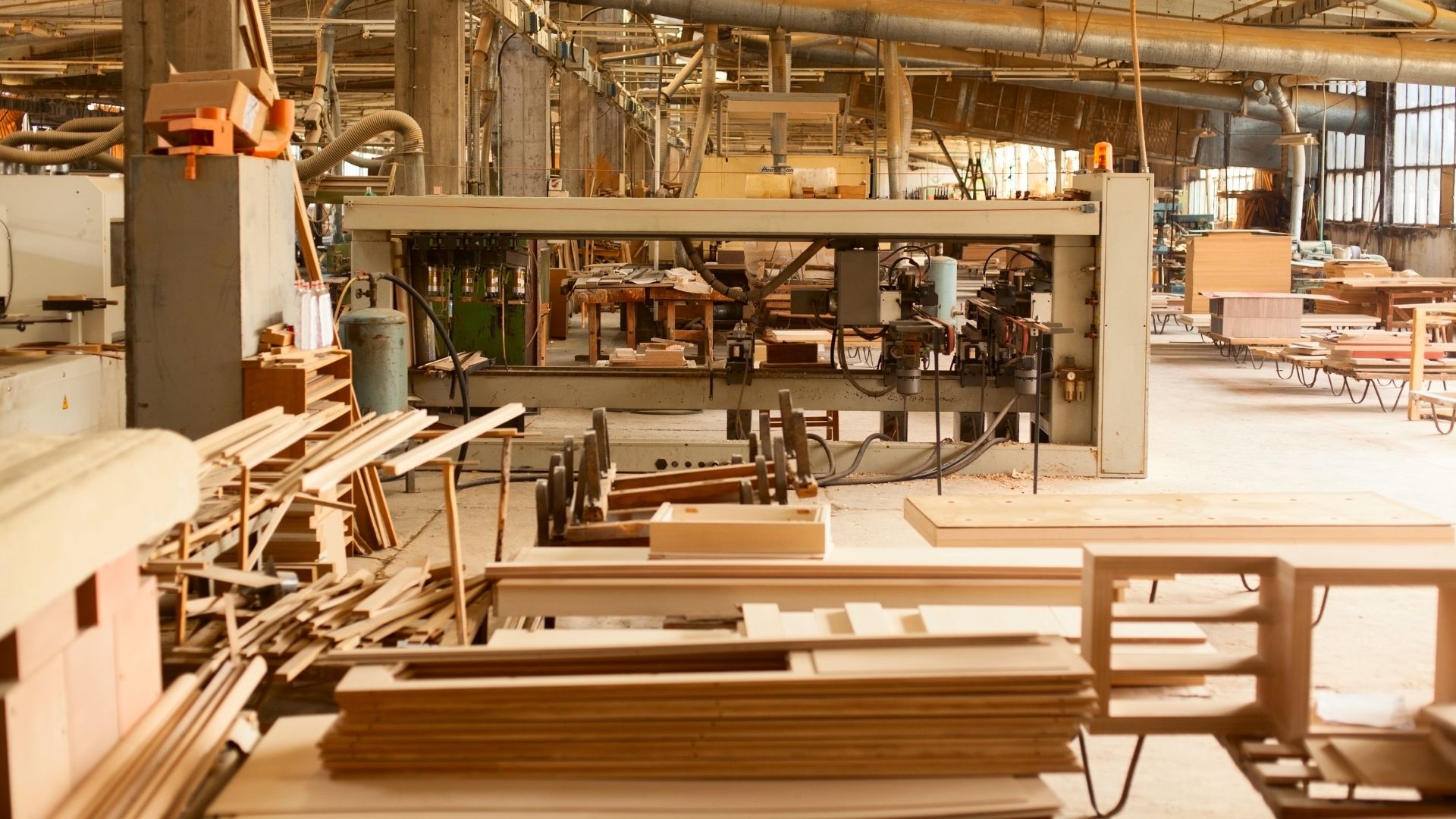
Regional Manufacturing Quality Profile Comparison
| Region | Specialty | Quality Level | Price Range | Lead Time |
|---|---|---|---|---|
| Guangdong | High-end furniture, modern designs | Premium | CN¥800-2000 (≈US$110-275) | 25-35 days |
| Shandong | Solid wood furniture | High | CN¥600-1500 (≈US$85-210) | 30-40 days |
| Hebei | Budget furniture, mass production | Standard | CN¥200-800 (≈US$28-110) | 15-25 days |
| Jiangsu | Office furniture, metal components | High | CN¥500-1200 (≈US$70-165) | 20-30 days |
Source: Easy Imex analysis based on 400+ sourcing campaigns, 2026
Understanding these regional differences helps you select the right manufacturing partner and set appropriate quality expectations. Partnering with best furniture sourcing agencies in China ensures you access the most suitable manufacturing regions for your specific requirements while implementing appropriate quality control measures.
2. How Do China’s Manufacturing Regions Affect Furniture Quality?
China furniture manufacturing quality varies significantly across different provinces because each region has developed specialized expertise, equipment investments, and quality standards over decades, creating distinct quality ecosystems that directly impact final product outcomes.
Regional specialization creates predictable quality patterns across China’s furniture manufacturing landscape:
- Guangdong Province advantages: Premium furniture manufacturing hub with advanced equipment, skilled craftspeople, and established export quality systems specializing in contemporary designs
- Shandong Province expertise: Traditional solid wood furniture center with deep expertise in classical Chinese and Western wood furniture styles, plus established wood treatment facilities
- Hebei Province focus: Cost-effective mass production region optimized for budget-friendly furniture targeting global retail chains with streamlined manufacturing processes
- Jiangsu Province capabilities: Office and commercial furniture specialization with strong metal fabrication capabilities and established B2B quality systems
The concentration of major furniture manufacturing hubs in these provinces creates distinct quality ecosystems. Guangdong factories typically invest more in quality control systems due to their premium positioning, while Hebei manufacturers focus on efficiency and cost reduction through standardized processes.
Climate factors significantly influence regional quality characteristics. Southern regions like Guangdong experience higher humidity requiring different wood treatment processes compared to northern manufacturing centers. This affects material selection, drying processes, and final product durability expectations that must be factored into quality control planning.
Regional quality differences in Chinese furniture manufacturing are substantial. Guangdong factories typically achieve 95%+ pass rates on international inspections, while budget-focused regions may see 70-80% initial pass rates without proper quality controls.
3. What Are the 8 Critical Inspection Points for Chinese Furniture?
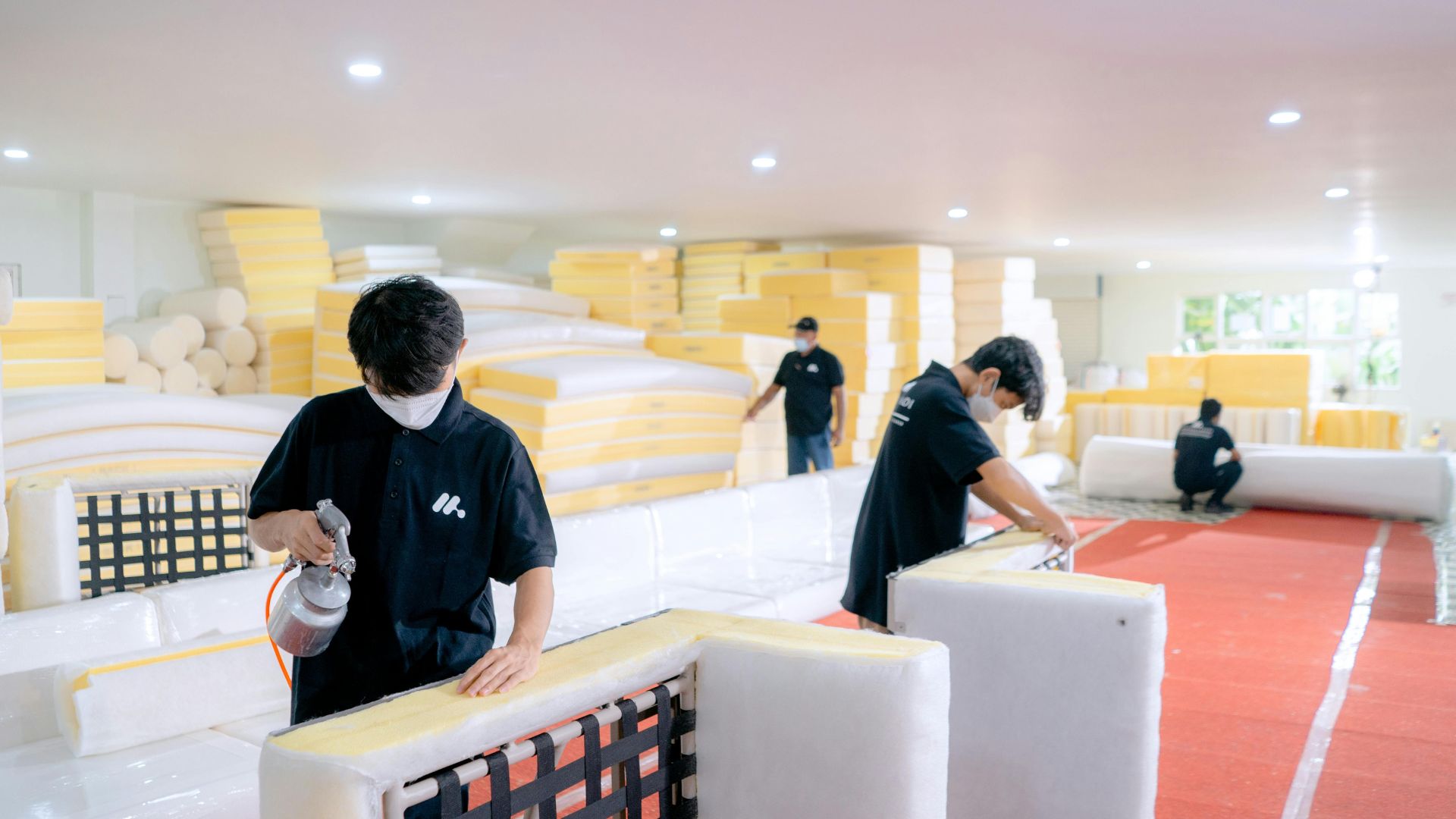
Furniture inspection points must systematically cover structural integrity, surface quality, hardware functionality, dimensional accuracy, safety compliance, packaging adequacy, documentation completeness, and operational testing to prevent costly defects and ensure international market readiness.
8 Critical Furniture Inspection Points Checklist
| Inspection Point | What to Check | Pass/Fail Criteria | Common Issues |
|---|---|---|---|
| Structural Integrity | Joints, frame stability, load capacity | No loose joints, meets weight specifications | Weak corner joints, inadequate bracing |
| Surface Finish | Paint consistency, wood grain, scratches | Uniform color, smooth finish | Color variations, rough surfaces |
| Hardware Quality | Hinges, handles, screws, mechanisms | Smooth operation, proper alignment | Cheap hardware, misalignment issues |
| Dimensional Accuracy | Measurements vs. specifications | ±2mm tolerance for critical dimensions | Incorrect sizing, assembly gaps |
| Safety Compliance | BIFMA, BS EN standards adherence | Meets target market regulations | Stability failures, sharp edges |
| Packaging Protection | Foam, cardboard, assembly instructions | Adequate protection, complete materials | Insufficient padding, missing parts |
| Documentation Review | Labels, certificates, compliance docs | Complete and accurate paperwork | Missing certificates, wrong labeling |
| Functionality Testing | Drawers, doors, moving parts | Smooth operation, proper fit | Sticking mechanisms, poor alignment |
Source: Easy Imex QC Standards, 2026
3.1 Structural Integrity and Joinery Assessment
Structural integrity inspection examines fundamental construction quality that determines furniture durability and safety under normal use conditions, focusing on joint construction, frame stability, and load capacity verification.
- Joint construction analysis: Inspect mortise and tenon joints, dowel connections, and corner block reinforcements for proper fit and adhesive application quality
- Frame stability testing: Apply pressure tests to check for wobbling, flexing, or structural weakness under specified load conditions
- Load capacity verification: Confirm furniture can support specified weight limits without deformation or failure using standardized testing protocols
3.2 Surface Finish and Material Quality Evaluation
Surface finish evaluation ensures aesthetic quality and protective coating effectiveness that directly impacts customer satisfaction and product longevity through comprehensive appearance and durability assessment.
- Finish consistency verification: Check for uniform color, sheen levels, and texture across all surfaces using standardized lighting conditions
- Wood grain matching assessment: Verify veneer patterns align properly and natural wood characteristics appear consistent throughout the piece
- Defect identification protocol: Document scratches, dents, color variations, or finish imperfections that exceed acceptable tolerance levels

3.3 Hardware and Fastener Inspection
Hardware quality inspection focuses on mechanical components that enable furniture functionality and determine long-term reliability through comprehensive operational and durability testing.
- Hinge operation testing: Test door and drawer hinges for smooth operation, proper alignment, and adequate support capacity under repeated use
- Handle attachment verification: Verify secure mounting, consistent positioning, and appropriate hardware gauge for the intended application
- Fastener quality assessment: Inspect screws, bolts, and connectors for proper material composition, threading quality, and corrosion resistance
3.4 Dimensional Accuracy and Fit Verification
Dimensional accuracy inspection ensures furniture components fit together properly and meet specified measurements for successful assembly and use, preventing customer assembly issues.
- Critical dimension verification: Measure key dimensions against specifications with ±2mm tolerance for precision components using calibrated instruments
- Assembly fit testing: Verify components align properly during assembly without forcing or gaps that compromise structural integrity
- Clearance checking protocol: Confirm adequate spacing for doors, drawers, and adjustable components to ensure smooth operation
3.5 Safety Standard Compliance Check
Safety compliance inspection verifies furniture meets international safety standards required for target markets, preventing regulatory issues and liability concerns through comprehensive testing.
- BIFMA standard compliance: Test commercial furniture against Business and Institutional Furniture Manufacturers Association requirements for stability and durability
- BS EN 581 verification: Ensure outdoor furniture meets European safety and durability standards for weather resistance and structural integrity
- Stability testing protocols: Perform tip-over tests and load assessments as required by target market regulations and safety standards

3.6 Packaging and Protection Assessment
Packaging inspection ensures furniture receives adequate protection during shipping and includes all necessary components for successful customer assembly and satisfaction.
- Protective materials evaluation: Verify foam padding, corner protectors, and wrap materials provide sufficient protection against shipping damage
- Component organization check: Check that hardware, instructions, and small parts are properly bagged, labeled, and secured within packaging
- Box integrity assessment: Inspect carton strength, size appropriateness, and handling instructions for shipping durability and warehouse handling
3.7 Documentation and Labeling Review
Documentation review confirms all required paperwork, labeling, and compliance certificates accompany the furniture for customs clearance and target market compliance requirements.
- Product labeling verification: Verify care instructions, material composition, and country of origin labeling accuracy and completeness
- Compliance certificates check: Confirm safety certificates, test reports, and quality assurance documentation completeness and validity
- Assembly instructions review: Review instruction clarity, accuracy, and completeness for successful customer assembly experience
3.8 Final Functionality Testing
Functionality testing validates that all moving parts, mechanisms, and features operate correctly before shipment approval, ensuring customer satisfaction upon delivery.
- Drawer operation testing: Test drawer slides for smooth operation, proper extension, and weight capacity under representative load conditions
- Door alignment verification: Verify cabinet doors open and close properly with consistent gaps and smooth hinge operation
- Adjustability features testing: Test height adjustments, tilting mechanisms, and any variable positioning components for smooth operation and stability

4. When Should You Conduct Furniture Inspections in China?
Pre shipment inspection furniture timing critically impacts quality outcomes and cost effectiveness, with pre-shipment inspections conducted when 80% of production is complete offering the optimal balance of defect detection capability and correction feasibility.
Inspection Timing Strategy Comparison
| Inspection Type | When to Conduct | Duration | Cost Range | Defect Detection Rate |
|---|---|---|---|---|
| Pre-Production | Before mass production starts | 1-2 days | CN¥800-1,500 (≈US$110-210) | 95% prevention rate |
| During Production | At 50% completion | 1 day | CN¥600-1,000 (≈US$85-140) | 80% early detection |
| Pre-Shipment | 80% production complete | 1-2 days | CN¥800-1,200 (≈US$110-165) | 90% defect identification |
| Container Loading | During loading process | 2-4 hours | CN¥400-600 (≈US$55-85) | 60% final checks |
Source: Easy Imex inspection services data, 2026
Pre-production inspections offer the highest impact for quality control by catching design and specification issues before mass production begins, but require finalized samples and detailed specifications to be effective.
Pre-shipment inspections provide the best cost-benefit ratio for most furniture importers because they catch manufacturing defects when corrections are still economically feasible but production investment is largely committed.
- Optimal timing rationale: Conducting inspections when 80% of production is finished allows sufficient time for corrections while minimizing production delays and additional costs
- Sample size requirements: AQL (Acceptable Quality Level) standards typically require inspecting 5-10% of total production quantity depending on order size
- Correction timeframes: Allow 3-5 additional production days for addressing identified quality issues while maintaining shipping schedules
- Risk mitigation strategy: Combine pre-production sampling with pre-shipment inspection for comprehensive quality assurance coverage
Understanding pre-shipment inspection methods helps you select the most appropriate timing and approach for your specific furniture category, order size, and quality requirements while optimizing cost and effectiveness.

5. How Do You Communicate Quality Requirements to Chinese Factories?
Chinese furniture factory audit success depends on establishing clear communication protocols, comprehensive documentation systems, and understanding cultural business practices that significantly affect quality outcomes and supplier relationships.
Effective quality communication with Chinese furniture manufacturers requires systematic approaches:
- Specification documentation standards: Provide detailed technical drawings, material specifications, and quality standards in both English and Chinese to prevent costly misunderstandings
- Quality checkpoint establishment: Establish agreed-upon inspection points throughout the production process with clear pass/fail criteria and correction procedures
- Communication protocol structure: Use bilingual project managers and structured reporting systems to maintain clear quality expectations and issue resolution processes
- Sampling approval requirements: Require signed sample approval before mass production begins, including detailed photos and written specifications confirmation
Cultural factors significantly impact quality control effectiveness in Chinese manufacturing environments. Chinese business culture emphasizes relationship building and face-saving, which affects how quality issues are communicated, acknowledged, and resolved during production cycles.
Successful quality control requires finding the best factories in China that demonstrate genuine commitment to quality systems and international standards. Look for factories with certified quality management systems, dedicated QC personnel, and established export track records.
Documentation best practices include creating detailed product specifications that eliminate interpretation ambiguity. Include material grades, finish requirements, hardware specifications, packaging instructions, and acceptance criteria in both languages with visual references.
Consider implementing social compliance audits alongside quality inspections to ensure ethical manufacturing practices that support long-term quality relationships and supply chain sustainability.
Clear communication and detailed specifications prevent 80% of quality issues in Chinese furniture manufacturing. The investment in proper documentation and bilingual communication always pays dividends in reduced defects and smoother production cycles.
6. What Are the Most Common Furniture Quality Issues from China?
Chinese furniture defects follow predictable patterns based on furniture type, manufacturing methods, and regional specializations, with wood furniture experiencing moisture-related issues, metal furniture suffering welding defects, and upholstered pieces facing fabric consistency problems.
Common Defects by Furniture Type Matrix
| Furniture Type | Top 3 Defects | Prevention Method | Inspection Focus |
|---|---|---|---|
| Wood Furniture | Moisture damage, joint failures, finish inconsistencies | Controlled drying, joint reinforcement | Moisture content, joint strength |
| Metal Furniture | Welding defects, rust spots, powder coating issues | Welding standards, surface prep | Weld quality, coating adhesion |
| Upholstered Furniture | Fabric inconsistencies, foam density variations, stitching defects | Fabric approval, foam specs | Material matching, construction quality |
| Office Furniture | Mechanism failures, adjustment problems, stability issues | Component testing, assembly verification | Functional testing, safety compliance |
| Outdoor Furniture | Weather resistance failures, hardware corrosion, UV degradation | Material selection, coating specs | Durability testing, finish quality |
Source: Easy Imex defect analysis, 400+ campaigns, 2026
Wood furniture challenges in China often stem from improper moisture control during production and storage phases. Southern manufacturing regions face higher humidity levels that require extended drying times and climate-controlled storage to prevent warping, cracking, and joint failures.
Metal furniture quality issues frequently occur at welding joints and surface preparation stages. Chinese manufacturers sometimes compress these processes to meet delivery deadlines, resulting in weak joints, poor finish adhesion, and premature corrosion problems.
Upholstered furniture defects typically involve fabric color matching and foam consistency problems across different production batches. Without proper quality controls, manufacturers may substitute materials or use inconsistent foam densities to manage costs.
Office furniture complications often center around mechanism reliability and adjustment functionality. Chinese suppliers may use lower-grade mechanisms to reduce costs, leading to premature failures and safety compliance issues in target markets.
Implementing shipping delays prevention strategies includes comprehensive quality control measures that catch these common defects before they cause production delays, shipping problems, and customer satisfaction issues.
Based on our analysis of over 400 furniture campaigns, 60% of quality issues stem from three primary causes: inadequate material preparation, rushed production schedules, and insufficient final inspection protocols. Addressing these systematically eliminates most defects.

7. What Does Poor Furniture Quality Control Cost Importers?
Furniture qc china investment typically represents 0.1-0.3% of order value, while quality failures can cost importers 300-500% more through returns, shipping delays, reputation damage, and regulatory compliance issues that compound over time.
Quality control cost analysis reveals significant financial implications:
- Direct cost impacts: Defective furniture returns cost CN¥5,000-15,000 (≈US$700-2,100) per container in shipping, handling, replacement, and disposal costs
- Indirect consequences: Customer complaints, negative reviews, and brand reputation damage create long-term sales impact lasting 6-12 months beyond the initial incident
- Regulatory compliance risks: Non-compliant furniture faces customs delays, fines up to CN¥50,000 (≈US$7,000), and potential market bans in target countries
- Opportunity costs: Quality issues delay product launches by 4-8 weeks, reducing competitive advantage in seasonal markets and affecting inventory planning
- Relationship damage: Quality failures strain retailer relationships, potentially leading to vendor de-listing and reduced future order opportunities
Understanding how to get quality when importing from China prevents these costly quality failures through proactive quality management strategies that address issues before they become expensive problems.
Learning what to do with poor quality products helps minimize damage when quality issues do occur, but prevention through systematic inspection remains far more cost-effective than post-delivery remediation.
Implementing strategies to avoid import risks from poor quality protects your business from the cascading effects of furniture quality failures that can impact customer relationships, brand reputation, and long-term market position.
The mathematics of quality control investment versus failure costs strongly favors prevention. A CN¥1,000 (≈US$140) pre-shipment inspection can prevent CN¥15,000+ (≈US$2,100+) in failure costs, representing a 15:1 return on investment before considering reputation and relationship preservation benefits.
The cost of comprehensive furniture quality control typically represents less than 0.2% of order value, while quality failures can cost importers 300-500% more through returns, delays, and reputation damage. Prevention is always more cost-effective than remediation.
How Easy Imex Helps You with Furniture Quality Control
Easy Imex provides comprehensive furniture quality control China services designed specifically for international importers working with Chinese manufacturers, combining systematic inspection protocols with deep cultural understanding and technical expertise.
- Complete QC Stack Implementation: Factory audits, pre-production sampling, mid-production inspections, pre-shipment AQL-based inspections with detailed reporting, online inspection capabilities, and container loading supervision
- Pre-Production Quality Assurance: Comprehensive sampling verification, product specification confirmation, assembly method validation, packaging design review, and complete customer experience testing before mass production authorization
- Strategic China Sourcing Services: Access to verified furniture manufacturers not available on public platforms, hands-on factory verification and capability assessment, quality supplier identification and unreliable option elimination
- Bilingual Quality Management: RMB-based cost negotiations, bilingual contracts with clear quality standards and acceptance criteria, cultural communication expertise for effective long-term supplier relationships
- Industry-Specific Expertise: Deep knowledge across wood, metal, upholstered, office, and outdoor furniture categories with understanding of category-specific quality challenges and prevention strategies
Our experienced team catches quality issues in China before they become expensive problems in your target market. With direct experience across all major furniture manufacturing regions, we understand the specific quality challenges, prevention strategies, and cultural factors that impact Chinese furniture production success.
Ready to implement professional furniture quality control for your China sourcing operations? Our complete furniture import guide provides detailed guidance on the entire process from initial sourcing through final delivery and quality assurance.
Frequently Asked Questions
What are the 8 critical inspection points for furniture from China?
The 8 critical inspection points are: structural integrity and joinery assessment, surface finish and material quality evaluation, hardware and fastener quality inspection, dimensional accuracy and fit verification, safety standard compliance checking, packaging and protection assessment, documentation and labeling review, and final functionality testing.
How much does furniture inspection cost in China?
Furniture inspection costs range from CN¥600-1,500 (≈US$85-210) depending on inspection type, complexity, and order size. Pre-shipment inspections typically cost CN¥800-1,200 (≈US$110-165) and represent 0.1-0.3% of total order value, providing 15:1+ ROI through defect prevention.
When should I conduct furniture quality control inspections?
Pre-shipment inspection when 80% of production is complete offers the optimal cost-benefit ratio. This timing allows sufficient time for corrections while minimizing production delays. Pre-production inspections provide highest prevention impact but require finalized samples and specifications.
What are the most common furniture defects from Chinese manufacturers?
Common defects vary by furniture type: wood furniture suffers moisture damage and joint failures, metal furniture experiences welding defects and coating issues, upholstered furniture shows fabric inconsistencies and stitching problems, while office furniture faces mechanism failures and adjustment issues.
How long does furniture inspection take in China?
Furniture inspections typically require 1-2 days for comprehensive pre-shipment inspections, 1 day for during-production monitoring, and 2-4 hours for container loading supervision. Complex multi-item orders or custom furniture may require additional inspection time for thorough assessment.
What safety standards apply to furniture imports from China?
Key standards include BIFMA (commercial furniture stability and durability), BS EN 581 series (outdoor furniture weather resistance), EN-1335 (office chair safety), CPSC regulations (US consumer furniture), and target country-specific safety requirements that vary by furniture type and destination market.
How do I communicate quality requirements to Chinese furniture factories?
Provide detailed specifications in both English and Chinese, use bilingual contracts with clear quality standards and pass/fail criteria, establish structured inspection checkpoints with correction procedures, require signed sample approval before mass production, and maintain regular communication through bilingual project managers.
What happens if my furniture fails inspection in China?
Failed inspections trigger systematic corrective protocols: identify specific defects with photographic documentation, negotiate repair/replacement timeline with factory management, implement corrective actions, re-inspect corrected items, and delay shipment until quality standards are met, preventing costly returns and customer issues.
Which Chinese regions produce the highest quality furniture?
Guangdong Province produces premium furniture with 95%+ inspection pass rates, Shandong specializes in high-quality solid wood furniture, Jiangsu excels in office furniture manufacturing, while Hebei focuses on budget furniture with standard quality levels. Regional selection should match your quality requirements and price targets.
How can I prevent moisture damage in Chinese wood furniture?
Prevent moisture damage through controlled drying specifications (8-12% moisture content), climate-controlled storage requirements, proper packaging with moisture barriers, inspection of wood treatment processes, and selecting manufacturers in regions with established wood drying facilities and moisture control expertise.

Conclusion: Implementing Professional Furniture Quality Control in China
Successful furniture quality control China implementation requires a systematic approach combining the 8 critical inspection points with deep understanding of Chinese manufacturing capabilities, regional quality variations, and cultural communication factors that determine quality outcomes.
The investment in comprehensive quality control represents less than 0.3% of your order value while preventing quality failures that cost 300-500% more through returns, delays, reputation damage, and regulatory compliance issues. By implementing structured inspection protocols, clear bilingual communication strategies, and appropriate timing for quality checkpoints, you can achieve consistent quality outcomes from Chinese furniture manufacturers across all major categories.
Professional quality control services provide the essential expertise, local manufacturing presence, and systematic inspection approach necessary to navigate China’s complex furniture manufacturing landscape successfully while building sustainable supplier relationships. Ready to implement professional furniture quality control for your next China furniture sourcing project?
About the Author: Adam

- TL;DR
- 1. Why Is Furniture Quality Control Critical in China’s Manufacturing Landscape?
- 2. How Do China’s Manufacturing Regions Affect Furniture Quality?
- 3. What Are the 8 Critical Inspection Points for Chinese Furniture?
- 8 Critical Furniture Inspection Points Checklist
- 3.1 Structural Integrity and Joinery Assessment
- 3.2 Surface Finish and Material Quality Evaluation
- 3.3 Hardware and Fastener Inspection
- 3.4 Dimensional Accuracy and Fit Verification
- 3.5 Safety Standard Compliance Check
- 3.6 Packaging and Protection Assessment
- 3.7 Documentation and Labeling Review
- 3.8 Final Functionality Testing
- 4. When Should You Conduct Furniture Inspections in China?
- 5. How Do You Communicate Quality Requirements to Chinese Factories?
- 6. What Are the Most Common Furniture Quality Issues from China?
- 7. What Does Poor Furniture Quality Control Cost Importers?
- How Easy Imex Helps You with Furniture Quality Control
- Frequently Asked Questions
- What are the 8 critical inspection points for furniture from China?
- How much does furniture inspection cost in China?
- When should I conduct furniture quality control inspections?
- What are the most common furniture defects from Chinese manufacturers?
- How long does furniture inspection take in China?
- What safety standards apply to furniture imports from China?
- How do I communicate quality requirements to Chinese furniture factories?
- What happens if my furniture fails inspection in China?
- Which Chinese regions produce the highest quality furniture?
- How can I prevent moisture damage in Chinese wood furniture?
- Conclusion: Implementing Professional Furniture Quality Control in China
- About the Author: Adam
- Leave A Comment Cancel reply