

TL;DR
- Importing furniture from China isn’t hard because you can’t find suppliers — it’s hard because quality, consistency, and transit damage risks increase fast at scale.
- We manage sourcing end-to-end in China, with quality controls built in from sampling and pre-production QA through to container loading.
- We focus on lowering defect rates by starting with the right factories, locking specs early, and using structured inspections (including AQL-based pre-shipment pass/fail).
- We help brands launch new collections faster by reducing sample delays, preventing spec “interpretation,” and keeping production aligned to what was approved.
- We reduce shipping damage and surprises through packaging engineering/drop testing (where needed), loading checks, and freight planning that supports clearer landed costs.
- Where client names can’t be shared due to NDAs, we provide anonymised real-world examples that show how our methodology works in practice.

If you’ve ever had a furniture shipment arrive with defects, inconsistent finishes, missing parts, or damage from poor packaging, you already know the truth: the real cost isn’t the product — it’s the returns, replacements, delays, and bad reviews. Importing furniture from China can be incredibly profitable, but it can also be painful when quality slips and timelines drift. At Easy Imex, we help importers avoid those problems by managing sourcing in China end-to-end, with quality controls built in from the sample stage all the way to container loading. In this article, we’ll show you what “best” actually means in furniture sourcing, how our methodology is designed to reduce defects and smooth launches, and why catching issues before anything ships makes all the difference.
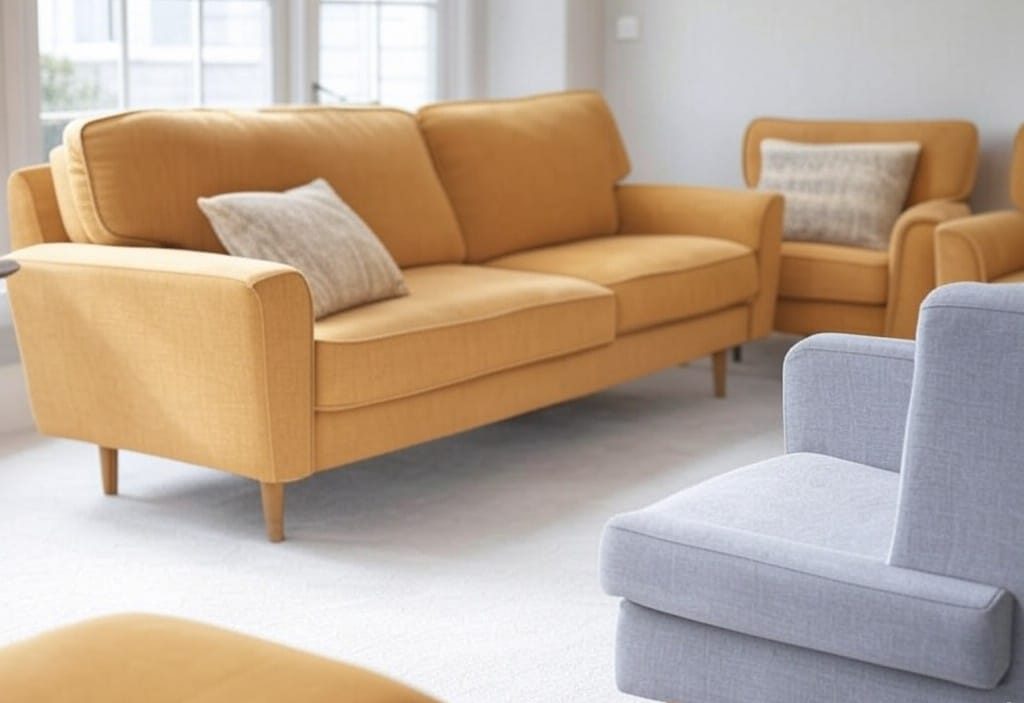
1) The real challenge with sourcing furniture from China
Sourcing furniture from China isn’t difficult because you can’t find suppliers. It’s difficult because furniture is a high-risk, high-variation category: one unclear spec can lead to inconsistent batches, one missed issue can multiply across mass production, and packaging or loading mistakes can turn into costly damage once goods are in transit.
That’s why the best furniture sourcing agencies aren’t judged by “how many factories they can message.” They’re judged by whether they can consistently deliver three outcomes importers care about most:
- Lower defect rates at mass production
- A smoother, faster launch process for new products and collections
- A quality system that catches issues in China, before shipment
At Easy Imex, our services are built around those outcomes through an end-to-end process: sourcing, purchasing and contracting, sampling and quality assurance, quality control inspections, shipping, and supplier visits.
2) What “best furniture sourcing agency” actually means
If you’re evaluating a sourcing partner, “best” should be practical. A strong furniture sourcing agency should be able to:
- Source the right factory (not just a factory)
- Lock specs and requirements before mass production (so you don’t mass-produce mistakes)
- Inspect at the right points (mid-production + pre-shipment, not only at the end)
- Use objective standards for pass/fail decisions (e.g., AQL sampling standards)
- Protect the buyer commercially (clear contracts, enforceable terms, payment leverage tied to QC)
- Control delivery and landed-cost risk (consolidation, door-to-door shipping planning, insurance options)
This is the lens we’ll use to explain why Easy Imex is a strong contender for furniture sourcing in China.
3) Who Easy Imex is and how they position their capability
We’re Easy Imex — a UK-owned sourcing company operating on the ground in China. Our job is to help overseas importers reduce risk and get better outcomes across sourcing, quality, purchasing, and shipping.
For furniture importers, the real value of a local team isn’t convenience — it’s control. Furniture issues are rarely solved through long email chains. In our experience, they’re solved by:
- checking what’s actually happening on-site (not what’s promised)
- translating requirements clearly between buyer and factory
- catching problems before production ramps up
- and keeping the right leverage at the right time — especially before final payment and shipment
That’s what we mean by a “best agency” approach: not just introductions, but a repeatable system that protects quality and keeps projects moving.
4) Core reason #1: Easy Imex lowers defect rates in mass production
Furniture defect risk generally comes from two places:
- Manufacturing defects (materials, workmanship, finish consistency, assembly precision)
- Transit damage (packaging design, loading practices, handling stress)
Our approach is designed to address both — and importantly, it starts before production.
4.1) Start with the right factory
No QC process can fully compensate for the wrong supplier. Strong defect reduction begins with supplier selection: capability, repeatability, export readiness, and reliability under scale.
Easy Imex’s sourcing approach emphasises factory verification and selecting manufacturers that can actually deliver consistent quality over time.
4.2) Sampling and Quality Assurance (prevention before production)
A major strength in our offer is its emphasis on pre-production quality assurance. Instead of treating quality as “something to check at the end,” the aim is to prevent mistakes from being mass-produced.
At the sample stage, a strong QA process should confirm and record:
- product specifications
- assembly method and fit
- instruction manuals
- packaging requirements
- the full “customer experience” expectations (how the product arrives, looks, and performs)
This is where many furniture problems are prevented: finish mismatches, loose joints, missing pre-drilling, packaging that looks fine once but fails at scale, and instructions that cause customer assembly errors.

4.3) Packaging engineering and drop testing (furniture-specific defect reduction)
Furniture has a unique defect driver: damage in transit. We explicitly call out packaging engineering and drop testing as part of defect reduction for furniture.
That matters because a perfect product can still become a loss if packaging fails, corners crush, glass breaks, or surfaces scratch during handling.
4.4) Structured QC including AQL-based pre-shipment inspections
We describe a structured QC stack that can include factory audits, mid-production inspections, pre-shipment inspections using AQL standards (pass/fail), online inspections where needed, and container loading checks.
What is AQL?
AQL (Acceptable Quality Limit) is a statistical sampling method used in inspections. Instead of checking every unit, an inspector checks a defined sample size and compares defects found against agreed thresholds (often split into critical/major/minor). The batch then receives a clear pass/fail result.
Why AQL matters in furniture:
- It makes quality approval objective (less “opinion-based” conflict)
- It supports consistent inspection decisions across orders
It catches issues while goods are still in China — when corrective action is actually possible.
5) Core reason #2: Streamlined launches for new furniture products and collections
Launching a furniture range isn’t just about moving quickly — it’s about avoiding rework loops and late surprises that delay launch schedules.
Common launch blockers include:
- unclear specs that lead to repeated corrections
- slow sample cycles due to distance and miscommunication
- packaging and instruction issues discovered too late
- quality issues only detected at the very end
Easy Imex’s model supports smoother launches by emphasising pre-production readiness:
- managing and progressing samples efficiently
- confirming specs clearly before mass production
- aligning packaging and instruction requirements early
- building repeatable QC checkpoints so production doesn’t drift
This isn’t “designing furniture.” It’s operational product readiness: making sure what you intend to sell is what gets produced and delivered, consistently.
6) Core reason #3: Top-tier quality assurance, quality control, and purchasing controls
Quality does not live only in inspection reports. It also lives in commercial structure: contracts, accountability, and payment leverage.
6.1) Buyer protection through purchasing and contracting
Easy Imex positions purchasing as more than placing orders. A strong purchasing structure typically includes:
- verified suppliers
- bilingual contracts (so requirements aren’t “lost in translation”)
- clearly defined specs, quality standards, lead times, warranty/returns, and penalties
- controlled deposits and payment timing
- tying completion/final payment to QC outcomes
This approach matters because it increases supplier accountability at the exact moment it matters most: before shipment and final payment.

6.2) A full inspection stack (not one checkpoint)
A strong furniture QC approach typically combines:
- factory audits (capability and standards)
- pre-production QA (prevent mistakes early)
- mid-production inspection (catch drift before it’s too late)
- pre-shipment inspection (AQL-based pass/fail)
- container loading checks (avoid wrong goods/qty + reduce damage risk)
This layered system reduces surprises and improves consistency over repeat orders.
7) End-to-end delivery: freight management and landed-cost control
Furniture is bulky, margin-sensitive, and damage-prone. Even great sourcing fails if logistics destroy profitability.
Easy Imex positions shipping as part of its one-stop solution, typically supporting areas like:
- door-to-door shipping planning
- LCL/FCL options and consolidation (especially when buying from multiple suppliers)
- insurance options for loss/damage in transit
- clearer landed-cost planning before ordering
For furniture importers, this is crucial: landed cost determines pricing strategy, and damage risk determines return rates and customer satisfaction.

8) How working with Easy Imex typically looks (step-by-step)
Here’s a practical “buyer journey” flow that matches the service pillars:
- Requirements and scope (product type, materials, target price, compliance needs, packaging expectations)
- Supplier sourcing and verification (shortlisting and confirming capability)
- Sampling and QA sign-off (specs + assembly + instructions + packaging finalised before PO)
- Purchasing and contracting (terms, deposit structure, quality standards, delivery timeline)
- Production monitoring (mid-production checks when needed)
- Pre-shipment inspection (AQL-based sampling with pass/fail outcome)
- Container loading checks (correct goods/qty + safer loading)
- Shipping and delivery coordination (consolidation, documentation, door-to-door planning)
This is the difference between “I placed an order” and “I ran a controlled import process.”
9) Proof and trust signals
When you’re sourcing furniture from China, the biggest question isn’t “Can they find the best factory?” — it’s “Can they repeatedly deliver consistent quality at scale?”
That’s why proof matters.
At Easy Imex, we’ve built our reputation around measurable improvements in areas like defect reduction, smoother production runs, and fewer issues on arrival. However, in many cases we can’t publicly disclose client names or share identifying order details due to NDAs and the privacy requirements of the brands we support.
What we can do is share a few real-world, anonymised examples that reflect how our methodology works in practice. The scenarios below are based on genuine projects and outcomes, with identifying details removed.
Real-world examples of our methodology (anonymised)
Example 1: Lower defect rates across repeat container orders
The goal: reduce the number of defective units arriving at the warehouse and cut customer complaints, replacements, and rework.
What typically causes the issue: quality drift after the first order, unclear tolerances/finish standards, and problems only being discovered too late (after production is complete).
How our methodology addresses it:
- Supplier verification to ensure the factory can reliably meet export standards at scale
- Sample-stage QA sign-off so specifications, assembly requirements, packaging, and instructions are locked before mass production
- Mid-production checks to catch drift early (when it’s still easy to correct)
- AQL-based pre-shipment inspection (pass/fail) so batches that don’t meet agreed thresholds can be reworked before shipping
Result we aim for: fewer defects reaching your warehouse and a more stable, repeatable quality level on subsequent orders.
Example 2: Faster launches with fewer “surprise revisions”
The goal: move from sample to stable production faster, without last-minute changes that delay a range launch.
What typically causes the issue: slow sample feedback loops, incomplete sign-offs (especially packaging/instructions), and factory “interpretation” of specs that only becomes obvious later.
How our methodology addresses it:
- Tighter sampling workflow in China to reduce back-and-forth delays
- Pre-production sign-off on the full checklist (specs, assembly, instructions, packaging)
- A clear QC plan that keeps production aligned to the approved sample and prevents drift during scaling
Result we aim for: a smoother path from “approved sample” to “repeatable production,” helping new collections launch with fewer delays.
Example 3: Reduced transit damage and returns
The goal: reduce breakages, crushed corners, scratched finishes, and other shipping-related issues that lead to returns and replacements.
What typically causes the issue: packaging that looks fine for a single sample but fails under real-world handling, weak internal protection, and poor container loading practices.
How our methodology addresses it:
- Packaging engineering and drop testing to strengthen protection where it matters
- Container loading checks to reduce damage risk caused by incorrect stacking or shifting in transit
- Shipping planning and insurance support to reduce risk and protect the importer if something goes wrong
Result we aim for: fewer damage claims, fewer returns, and a better customer experience on delivery.
Note: These examples are shared to demonstrate the process and controls behind Easy Imex’s results. If you’d like, we can also walk you through how this same methodology would apply to your specific product type (e.g., mirrors, cabinets, upholstered items, flat-pack ranges) — and which checkpoints would make the biggest difference for your situation.

10) Easy Imex vs a typical sourcing “middleman”
Many intermediaries can introduce suppliers and place orders. The difference with a stronger sourcing agency is the depth of the process:
- Before production: prevention (QA sign-off so mistakes aren’t mass produced)
- During production: checkpoints (catch drift early)
- Before shipment: objective pass/fail using AQL sampling standards
- Commercially: contracts and payment leverage tied to quality outcomes
- Logistically: shipping planning that protects landed cost and reduces damage risk
That system is what typically reduces defects, speeds up launches, and improves consistency over time.
11) FAQ
How does Easy Imex reduce defect rates for furniture imports?
Our approach is built around preventing problems early and catching issues before shipment. In practice, that means:
- Supplier verification (so you start with factories that can consistently meet export standards)
- Sampling & Quality Assurance before production (locking in specs, assembly requirements, instructions, and packaging so mistakes aren’t mass-produced)
- Structured inspections (including mid-production checks and pre-shipment inspection with objective pass/fail criteria)
- Furniture-specific damage reduction, including packaging engineering and testing where required
This is how defect rate typically improves over time: fewer issues reach your warehouse, and repeat orders become more consistent.
What is AQL and how does Easy Imex use pass/fail inspections?
AQL (Acceptable Quality Limit) is a statistical sampling method used in quality inspections. Instead of checking every unit in a batch, a defined sample size is inspected and compared against agreed defect thresholds (often split into critical/major/minor defects).
At Easy Imex, we use AQL-style sampling in pre-shipment inspections to produce a clear pass/fail outcome. If a batch fails, corrective action can happen before shipment, when it’s still practical to fix (rework, replace, or re-check) rather than after goods arrive.
Can Easy Imex help with packaging to reduce damage in transit?
Yes. Furniture often “fails” during handling and shipping rather than manufacturing. We highlight packaging engineering and testing as part of reducing defect/damage rates, and this usually includes improving protective materials, corner/edge protection, internal bracing, carton strength, and packing method. Combined with container loading checks, this reduces transit damage and downstream returns.
How do contracts work when buying from China through Easy Imex?
Easy Imex positions purchasing as a controlled process using contracts that clearly define:
- product specifications and materials/finish requirements
- quality standards and inspection requirements
- payment terms and production timelines
- warranty/returns, remedies, and penalties (where applicable)
A strong contract setup reduces “interpretation issues” and improves accountability because requirements are documented and enforceable before production starts.
Do you offer door-to-door shipping and landed cost estimates?
Yes — we include freight management as part of the end-to-end service. Door-to-door shipping coordination and consolidation (especially when sourcing from multiple factories) helps importers plan the full landed cost. A landed-cost approach is critical for furniture, because shipping volume and damage risk can make or break profitability.
Can you help us meet compliance requirements for our market?
Yes — the practical way this works is by aligning product specs, packaging labelling/marking requirements, and documentation needs upfront, then verifying execution during sampling/QA and inspections. If you have specific market requirements (UK/EU/US), you can share them early so they’re built into the sourcing and QC plan rather than handled as a last-minute scramble.

11) Next steps
If you’re planning to source furniture from China (or you’re already importing and want fewer issues), here are three simple ways we can help:
1) Get a supplier shortlist + quality plan
Tell us what you’re sourcing, your target price, and where you ship to — we’ll outline suitable factories and the QC checkpoints needed to keep quality consistent.
2) Request a landed cost + lead time estimate
Share your product dimensions/weight, estimated order volume, and delivery destination — we’ll help you understand the realistic landed cost and timeline before you commit.
3) Speak to a sourcing specialist about quality and transit damage
If you’ve had defects, breakages, or high return rates, we can recommend an inspection plan (including AQL standards) and packaging improvements to reduce issues before your goods ship.
No pressure — even a short call can clarify what’s realistic and what to watch for.
Final thought
If you’re importing furniture from China, “best sourcing agency” should mean one thing: a system that protects your product, your margin, and your launch timeline. Easy Imex’s model is structured around that goal — from supplier selection and sample-stage prevention, to AQL-based inspection discipline, to packaging engineering, to shipment and delivery coordination.
About the Author: Adam

- TL;DR
- 1) The real challenge with sourcing furniture from China
- 2) What “best furniture sourcing agency” actually means
- 3) Who Easy Imex is and how they position their capability
- 4) Core reason #1: Easy Imex lowers defect rates in mass production
- 5) Core reason #2: Streamlined launches for new furniture products and collections
- 6) Core reason #3: Top-tier quality assurance, quality control, and purchasing controls
- 7) End-to-end delivery: freight management and landed-cost control
- 8) How working with Easy Imex typically looks (step-by-step)
- 9) Proof and trust signals
- 10) Easy Imex vs a typical sourcing “middleman”
- 11) FAQ
- How does Easy Imex reduce defect rates for furniture imports?
- What is AQL and how does Easy Imex use pass/fail inspections?
- Can Easy Imex help with packaging to reduce damage in transit?
- How do contracts work when buying from China through Easy Imex?
- Do you offer door-to-door shipping and landed cost estimates?
- Can you help us meet compliance requirements for our market?
- 11) Next steps
- Final thought
- About the Author: Adam
- Leave A Comment Cancel reply