
TL;DR
- 2026 is the most complex sourcing year since 2020: US-China tariff escalation, Chinese export controls on critical minerals, UFLPA compliance enforcement, Red Sea shipping rerouting, and factory-level instability are all operating simultaneously.
- China controls approximately 60% of global rare earth mining and approximately 85% of global rare earth processing (USGS), making export control restrictions a direct threat to electronics, EV battery, and semiconductor supply chains.
- The Uyghur Forced Labor Prevention Act (UFLPA) creates a rebuttable presumption that goods from China’s Xinjiang region are made with forced labour — the burden of proof rests entirely with the importer, not with customs authorities.
- Red Sea rerouting adds approximately 10–14 additional transit days to China-to-UK and China-to-EU shipping routes, with cost increases of approximately US$1,000–$2,000 per TEU, according to freight index data from Drewry and Freightos.
- Factory consolidation is accelerating in 2026: smaller Chinese manufacturers are closing or merging under margin pressure from tariffs, rising labour costs, and reduced order volumes — creating supplier continuity risk for importers who do not monitor their supply base.
- UK and Australian importers are not directly subject to US tariffs but face indirect price increases as Chinese factories raise prices across all buyers to offset lost US margin.
- SME importers face higher exposure than large enterprises due to limited compliance budgets, smaller buffer inventory, and less supplier leverage to renegotiate terms during disruption periods.
Introduction
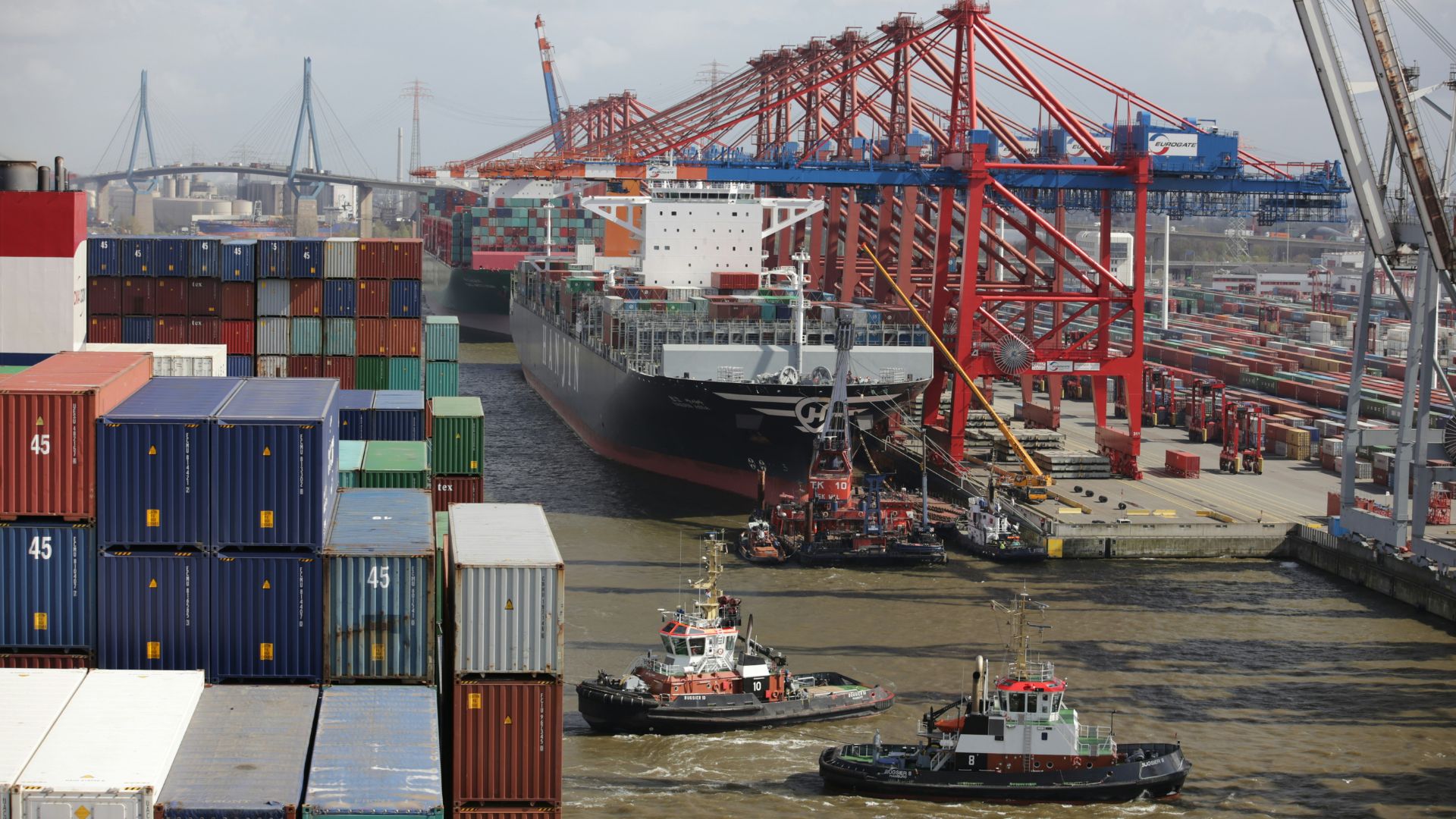
China supply chain disruptions in 2026 refers to the convergence of US-China tariff escalation, Chinese export controls on critical minerals, UFLPA forced labour compliance requirements, Red Sea shipping rerouting, and factory-level instability — creating the most complex sourcing environment for importers since 2020. If you source products from China, 2026 is not business as usual.
This guide is written for SME importers — particularly those based in the UK, Australia, and other non-US markets — who need practical, operational guidance rather than a macro-level risk taxonomy. We cover 8 distinct risk categories, what they mean for your supply chain in practice, and what you can do about each one. Last updated: June 2026.
1) Why 2026 Is the Most Complex Year Yet for China Importers
2026 is uniquely high-risk for importers sourcing from China because multiple independent stress factors are operating simultaneously — not sequentially. Any one of these pressures alone would be manageable. Together, they create a compounding risk environment that requires active supply chain management, not passive monitoring.
1.1 The Convergence of Tariffs, Export Controls, and Compliance Pressure
In previous disruption cycles — 2019 trade war, 2020 pandemic, 2021–2022 shipping crisis — each event had a primary cause. In 2026, importers are navigating all of the following at the same time:
- US-China tariff escalation: Ongoing tariff cycles continue to reshape factory economics and pricing across all buyer markets, not just the US.
- China’s retaliatory export controls: Restrictions on gallium, germanium, and graphite (introduced in 2023) have expanded in scope through 2025–2026, affecting electronics and battery supply chains globally.
- UFLPA enforcement intensification: US Customs and Border Protection has increased shipment detentions under the Uyghur Forced Labor Prevention Act, raising compliance costs and documentation requirements for importers worldwide.
- Shipping route instability: Red Sea rerouting has permanently altered transit times and freight costs for China-to-UK and China-to-Australia routes.
- Factory-level margin compression: Smaller Chinese manufacturers are under financial pressure from all of the above simultaneously — creating supplier stability risk.
The Thomson Reuters 2026 Global Trade Report found that supply chain concerns among importers doubled year-over-year — a signal that this convergence is widely felt across the trade community. For a deeper look at the legal challenges this environment creates, see our guide to the legal challenges of doing business in China.
1.2 Why SME Importers Face Higher Exposure Than Large Enterprises
Large enterprises have dedicated supply chain risk teams, legal departments for UFLPA compliance, multi-supplier contracts with built-in redundancy, and the financial depth to hold buffer inventory. SME importers typically have none of these.
Specifically, smaller importers are exposed because:
- Less supplier leverage: You cannot renegotiate pricing or payment terms as easily as a buyer placing ten times your order volume.
- Smaller safety stock: A 3–4 week factory shutdown or port delay hits you proportionally harder when you carry less buffer inventory.
- Limited compliance budgets: UFLPA documentation requirements — supply chain maps, audit reports, transaction records — have real costs that are harder to absorb at lower volumes.
- No early warning systems: Without on-the-ground presence in China, SME importers are often the last to know when a supplier is under pressure.
This guide is written specifically for that reality. Every mitigation step below is calibrated for what an SME importer can practically do — not what a Fortune 500 procurement team can deploy.
China Supply Chain Risk Matrix 2026
| Risk Category | Severity | Likelihood | Industries Most Affected | Key Mitigation Action |
|---|---|---|---|---|
| US-China tariff escalation | High | High | All manufacturing categories | Renegotiate pricing; review HS codes; explore supplier diversification |
| China export controls (critical minerals) | High | High | Electronics, EV batteries, semiconductors, solar | Audit Bill of Materials for restricted mineral exposure at tier 2/3 |
| UFLPA compliance | High | Medium–High | Apparel, solar panels, processed foods, aluminium | Build documentation package; conduct social compliance audit |
| Shipping disruptions (Red Sea/port congestion) | Medium–High | High | All categories shipping to UK, EU, Australia | Add 10–14 days buffer to lead times; monitor freight indices |
| Factory instability / consolidation | High | Medium–High | SME-supplied categories; textiles, hardware, consumer goods | Conduct supplier health checks; diversify supplier base |
| CNY seasonal disruption | Medium | High (predictable) | All categories | Order 6–8 weeks before CNY; use disruption calendar |
| Quality control failures during disruption | High | Medium | All categories during surge/pressure periods | Increase inspection frequency during high-risk windows |
| RMB exchange rate volatility | Medium | Medium | All importers paying in RMB or USD-linked pricing | Invoice in USD where possible; shorten deposit-to-balance gap |
Source: Compiled by Easy Imex from publicly available trade data, CBP enforcement records, and shipping index data, 2026.
Get a Free China Sourcing Consultation
2) Risk #1 — US-China Tariff Escalation: What It Means for UK and Australian Buyers
US tariffs on Chinese goods do not directly bind UK or Australian importers — but they affect your landed costs, your supplier’s pricing behaviour, and the competitive landscape you source within. Understanding the indirect transmission mechanism is essential for any China sourcing strategy in 2026.
2.1 How Tariffs Affect Pricing Even If You’re Not a US Importer
When US buyers reduce order volumes or exit Chinese suppliers due to tariff pressure, those factories face a revenue gap. The most common response is to raise prices for remaining buyers — including those in the UK, Australia, and other non-US markets — to protect their margins.
The indirect effects on non-US importers include:
- Factory price increases: Suppliers experiencing US margin compression often raise FOB prices across all buyer markets to compensate.
- Capacity changes: US buyer exits can free up factory capacity (beneficial for access and lead times) or trigger factory instability if the volume loss is severe enough to threaten viability.
- Supply chain restructuring ripple effects: As US companies shift sourcing to Vietnam or Mexico, it creates capacity and logistics changes that affect freight rates and factory availability for all buyers.
- HS code sensitivity: Tariff escalation has made HS code classification a front-line compliance issue — misclassification can create unexpected tariff exposure even for non-US shipments passing through US ports in transit.
For UK importers navigating import duties on China-sourced goods, see our UK import duties from China: the complete guide. Australian importers should also review the things to consider when importing to Australia.

2.2 Country of Design vs Country of Origin: A Tariff Classification Risk
Country of Design (COD) and Country of Origin (COO) are distinct classifications that matter significantly for tariff exposure — and SME importers frequently conflate them.
A product designed outside China but manufactured in China is classified by its Country of Origin for tariff purposes — not its Country of Design. This means a product designed in the UK or Australia, manufactured in a Chinese factory, still attracts tariffs based on where it was made. The Thomson Reuters 2026 Global Trade Report specifically flags this as an emerging compliance risk for electronics and semiconductor importers who design in one country and manufacture in China.
Practical mitigation options for tariff exposure:
- Renegotiate: Request supplier pricing reviews in light of tariff-driven order volume changes across their customer base.
- Reclassify: Review your HS codes with a licensed customs broker — misclassification is common and correctable.
- Reroute: In some categories, value-adding processes in a third country can legitimately change COO — but this requires careful legal advice.
- Diversify: For high-tariff-exposure categories, begin qualifying alternative suppliers in Vietnam or India as a parallel track.

Supply chain concerns among importers doubled year-over-year in 2026 — the convergence of tariffs, export controls, and shipping instability is creating a level of complexity not seen since the early pandemic disruptions.
3) Risk #2 — China’s Export Controls on Critical Minerals: What Importers Must Know
China’s critical minerals export controls are a series of government-imposed licensing and restriction regimes on the export of strategically important raw materials — including gallium (July 2023), germanium (July 2023), and graphite (December 2023) — that affect global electronics, semiconductor, and battery supply chains. These controls have expanded in scope through 2025–2026 and represent a structural, long-term supply chain risk — not a temporary policy measure.
3.1 Which Materials Are Restricted and Which Industries Are Exposed
According to publicly available data from the US Geological Survey (USGS), China controls approximately 60% of global rare earth mining and approximately 85% of global rare earth processing. This concentration gives Chinese export controls outsized global impact.
The restricted materials and their primary industry applications are:
- Gallium: Semiconductors, compound semiconductors (GaAs, GaN), LEDs, solar cells, and 5G infrastructure components.
- Germanium: Fibre optic cables, infrared optics, night-vision equipment, and certain semiconductor applications.
- Graphite: Lithium-ion EV battery anodes, lubricants, and certain industrial applications.
- Rare earth elements broadly: Permanent magnets (used in EV motors, wind turbines, hard drives), consumer electronics, and defence supply chains.
If your product category touches any of these materials — even at tier 2 or tier 3 supplier level — you have direct exposure to China’s china export controls on critical minerals. The restrictions apply to export licences, meaning even materials already in production pipelines can be affected by licence delays or denials.

3.2 How to Audit Your Supply Chain for Critical Mineral Exposure
Most SME importers do not know whether their products contain restricted materials at the component level. The following steps will help you identify and manage that exposure:
- Request a Bill of Materials (BOM) declaration from your primary supplier, asking them to identify any restricted mineral inputs in the product or its key components.
- Map your tier 2 suppliers: Ask your factory which sub-component suppliers they use and whether any source gallium, germanium, or graphite-based materials.
- Work with your sourcing agent to request material declarations in Mandarin directly from Chinese sub-suppliers — responses are more forthcoming in-language and in-country.
- Identify substitute materials or components where technically feasible — your product designer or engineer should assess whether alternative materials can reduce restricted mineral dependency.
- Monitor MOFCOM announcements from China’s Ministry of Commerce for new or expanded export control categories — the 2023 restrictions have been a template for further action.
4) Risk #3 — UFLPA Compliance: The Forced Labour Law That Can Detain Your Shipment
The Uyghur Forced Labor Prevention Act (UFLPA) is the single most consequential compliance development for China importers in 2026. Shipment detentions under UFLPA enforcement are increasing, and the documentation burden on importers is substantial. This risk affects importers worldwide — not only those shipping directly to the United States.
What Is the UFLPA?
The Uyghur Forced Labor Prevention Act (UFLPA) is a US law that creates a rebuttable presumption — meaning US Customs and Border Protection (CBP) assumes goods wholly or partly made in China’s Xinjiang region are produced with forced labour and will detain shipments unless importers provide clear and convincing evidence to the contrary. The burden of proof rests entirely with the importer, not with customs authorities.
4.1 Which Products and Regions Are at Highest UFLPA Risk
UFLPA risk is highest for product categories with documented Xinjiang-origin supply chain exposure. The primary high-risk categories are:
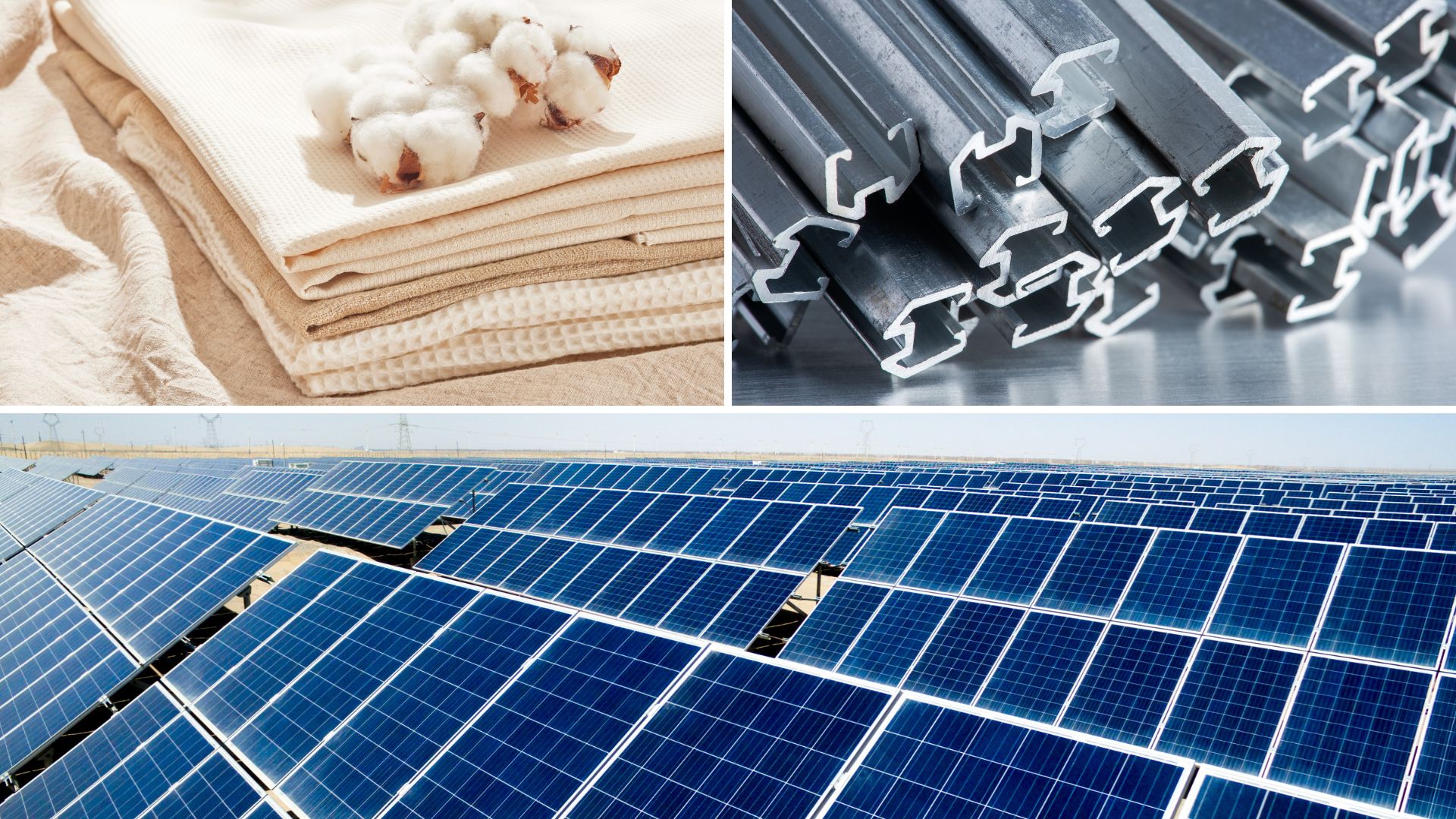
- Cotton and textiles: Xinjiang produces a significant share of China’s cotton crop — apparel, bedding, and textile manufacturers with Chinese cotton inputs face elevated scrutiny.
- Polysilicon and solar panels: A substantial portion of global polysilicon production originates in or near Xinjiang — solar panel importers should treat this as a high-priority compliance area.
- Processed tomatoes and food products: Xinjiang is a major tomato-growing region — processed food importers with Chinese tomato paste inputs are at risk.
- Aluminium and aluminium components: Some aluminium smelting operations in China have Xinjiang exposure.
- Certain electronics: Electronics with sub-components manufactured using Xinjiang-adjacent labour supply chains.
Critically, the UFLPA risk extends beyond direct Xinjiang sourcing. Tier 2 and tier 3 supplier exposure — where a Xinjiang-origin component appears deep in the supply chain — is the primary compliance challenge for most importers. Understanding social compliance audits in Chinese factories and what a social compliance audit involves is an essential first step in building a UFLPA-ready supply chain.
4.2 Building a UFLPA-Compliant Supply Chain: The Documentation Checklist
When CBP detains a shipment under UFLPA, the importer typically has 30 days to respond with documentation proving the goods are not made with forced labour. Detention costs — storage, delays, potential re-export or destruction — can be significant. Building your documentation package before a detention occurs is far more cost-effective than responding reactively.
UFLPA Documentation Requirements for Importers
| Documentation Required | Purpose | Where to Obtain | Priority |
|---|---|---|---|
| Supply chain map (tier 1–3) | Demonstrate full traceability from raw material to finished good | Supplier declarations + sourcing agent verification | Must Have |
| Supplier audit report (social compliance) | Evidence of labour standards compliance at factory level | Third-party audit firm (SMETA, SA8000) | Must Have |
| Transaction records (purchase orders, invoices, payments) | Verify commercial relationship and goods flow | Your own records + supplier copies | Must Have |
| Import records confirming non-Xinjiang origin | Establish that inputs are not sourced from Xinjiang | Supplier certificates of origin; raw material sourcing records | Must Have |
| Social compliance audit certificate | Third-party verification of ethical labour practices | Accredited audit body (Bureau Veritas, SGS, Intertek) | Must Have |
| Material traceability certificates | Trace specific restricted materials (cotton, polysilicon) to non-Xinjiang source | Material supplier certificates; testing lab reports | Recommended |
| Photographs and production records from factory | Visual and documentary evidence of manufacturing process and workforce | Factory QC team; sourcing agent in-country | Recommended |
Source: Based on US CBP UFLPA enforcement guidance (cbp.gov/trade/forced-labor/UFLPA). Importers should consult a licensed customs broker for case-specific requirements.
The rebuttable presumption standard under UFLPA fundamentally shifts the compliance calculus for importers. You are guilty until proven innocent — and proving innocence requires documentation that most importers have never needed to compile before. The time to build that documentation package is before CBP flags your shipment, not after.
5) Risk #4 — Shipping Disruptions in 2026: Red Sea, Port Congestion, and Route Volatility
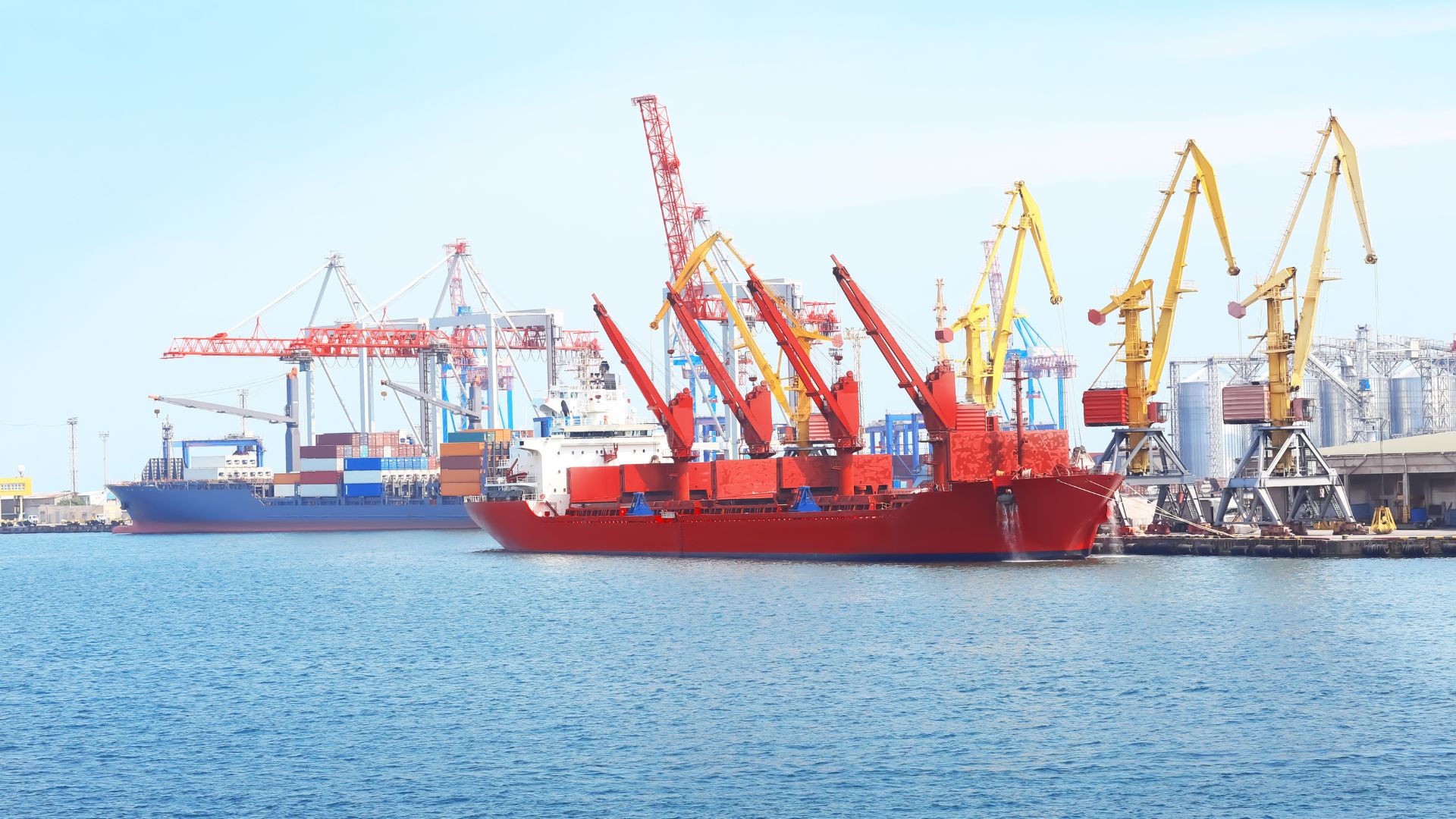
Shipping disruptions from China in 2026 stem from two distinct sources that compound each other: ongoing Red Sea rerouting that has permanently altered China-to-UK and China-to-Australia transit routes, and Chinese port congestion at Ningbo, Shanghai, and Yantian that adds delays before goods even reach open water.
5.1 Red Sea Rerouting: The Impact on China-to-UK and China-to-Australia Shipping
The diversion of container vessels around the Cape of Good Hope — bypassing the Suez Canal and Red Sea — has added approximately 10–14 additional transit days to China-to-UK and China-to-EU shipping routes, according to freight index data from Drewry and the Freightos Baltic Index. Cost increases of approximately US$1,000–$2,000 per TEU (twenty-foot equivalent unit) have been reported on affected routes, though rates fluctuate — verify the most current figures via the Drewry World Container Index before finalising your landed cost calculations.
For UK and Australian importers, the implications are:
- Extended lead times: Build an additional 2–3 weeks into purchase order timelines for sea freight shipments that previously used Suez routing.
- Higher freight costs: Rerouted voyages consume more fuel and vessel time — these costs are passed to shippers through rate surcharges.
- Schedule unreliability: Longer routes increase the probability of vessel schedule deviation, compounding the transit time uncertainty.
- Air freight pressure: Importers with time-sensitive goods face higher air freight costs as sea freight timelines stretch.
For practical guidance on managing these delays, see our guide to how to minimise shipping delays from China and our complete guide to shipping costs from China.
5.2 Chinese Port Congestion: Ningbo, Shanghai, and Yantian in 2026
Beyond Red Sea rerouting, port-side bottlenecks at China’s major export hubs create pre-departure delays that add to total transit time. Congestion at Ningbo, Shanghai, and Yantian ports is driven by:
- Tariff deadline export surges: When US tariff increases are announced, Chinese factories rush shipments ahead of effective dates — creating sudden volume spikes at major ports.
- CNY pre-holiday rush: The weeks before Chinese New Year see a concentrated surge in container bookings as factories clear production runs before shutdown.
- Post-disruption backlogs: When shipping networks are disrupted, vessel bunching creates cyclical congestion even after the triggering event passes.
Practical steps for managing port congestion risk:
- Monitor vessel tracking platforms for port dwell time data at your origin port.
- Book container slots 3–4 weeks further in advance than your pre-2023 norms.
- Allow additional buffer time (5–7 days) in your purchase order timeline for port-side delays.
6) Risk #5 — Factory-Level Instability in China: How to Tell If Your Supplier Is at Risk
The factory-floor reality of China’s manufacturing sector in 2026 is significantly more volatile than macro trade reports suggest. Factory consolidation in China refers to the ongoing closure and merger of smaller manufacturing facilities as margin compression from tariffs, rising labour costs, and reduced order volumes forces weaker suppliers out of business — creating supplier continuity risk for importers who do not monitor their supply base.
6.1 Factory Consolidation: How to Spot a Supplier Under Pressure
Identifying a financially or operationally stressed supplier before they fail mid-order is one of the highest-value risk management actions an SME importer can take. The following warning signs, drawn from on-the-ground experience visiting Chinese factories, are the most reliable early indicators:
- Missed sample deadlines: A factory that cannot deliver samples on time is already managing production pressure — this is a leading indicator of capacity problems.
- Requests to accelerate payment schedules: A supplier asking for a higher deposit percentage or earlier balance payment is signalling cash flow stress.
- Sudden capacity constraints: A factory that was previously able to commit to your production timeline suddenly cannot — this often means they have taken on excess orders to survive, or lost key staff.
- Reduced access for quality control inspections: Factories under financial pressure sometimes restrict QC access to prevent problems being documented before shipment.
- Evasive communication about production schedules: Vague or delayed responses to specific production progress questions are a significant behavioural warning sign.
- Inability to provide updated audit reports: If a supplier cannot provide a current social compliance or factory audit report, it may indicate they cannot afford or pass an audit.
For a comprehensive framework for supplier verification, see our guide to how to find and verify the best factories in China and our list of red flags when dealing with a new Chinese manufacturer.
6.2 Regional Risk Differences: Guangdong vs Zhejiang vs Jiangsu
China’s manufacturing sector is not monolithic — regional risk profiles differ significantly, and understanding your supplier’s location matters for risk assessment.
- Guangdong: China’s highest-volume export manufacturing region. Strong in consumer goods, electronics assembly, and furniture. Guangdong factories have the highest exposure to US tariff impacts due to export concentration, and some electronics supply chains here face UFLPA scrutiny at the component level.
- Zhejiang: Dense network of SME manufacturers in textiles, hardware, small machinery, and accessories. Zhejiang’s factory ecosystem is characterised by many smaller suppliers — making factory consolidation risk more pronounced here than in larger industrial zones.
- Jiangsu: Heavy manufacturing, electronics components, automotive parts, and chemical production. Generally higher average factory size and more stable operations, but greater exposure to restrictions on industrial inputs and critical minerals.
Knowing which region your supplier operates in helps calibrate the specific risk profile and monitoring frequency appropriate for your supply chain.
What we are seeing on the ground in 2026 is a two-tier factory market: larger, well-capitalised manufacturers are consolidating their customer base and becoming more selective about which importers they work with, while smaller factories are under real financial pressure. For SME importers, the risk is ending up with a supplier in the latter category without knowing it until something goes wrong.

7) Risk #6 — Quality Control Failures During Disruption Periods
Quality failures spike during supply chain disruption periods — this is one of the most important and least-discussed connections in China sourcing. When factories are under financial or operational pressure, the conditions that drive quality shortcuts are created systematically, not accidentally.
7.1 Why Supply Chain Disruption and Quality Problems Go Hand in Hand
The causal mechanism is consistent: financial pressure leads to corner-cutting on materials and process, which increases defect rates. The specific disruption windows when quality risk peaks are:
- Post-CNY restart (first 4–6 weeks): New workers unfamiliar with production processes, returning workers readjusting to schedules, and production pressure to fulfil backlogged orders all coincide.
- Tariff-deadline export surges: When factories rush production to ship ahead of tariff increases, they compress QC timelines and sometimes accept lower-grade materials at speed.
- 618 and Double 11 production pushes: The production surges that supply China’s major e-commerce sales events (the 618 shopping festival in June and Double 11 in November) create capacity overload — factories take on more orders than they can produce at full quality.
- Financial stress periods: A factory struggling with cash flow may substitute lower-cost materials to protect margins, with or without notifying the buyer.
Connecting your quality control protocol to your knowledge of your supplier’s operational pressures is a core competency for China importers in 2026. See our guide to how to get quality when importing from China for a foundational overview.
7.2 When to Increase Your Inspection Frequency
Standard practice for many SME importers is a single pre-shipment inspection. During high-risk windows, that is insufficient. Here is when to escalate your inspection protocol:
- Post-CNY restart (January–March): Add an in-process inspection at the midpoint of production, in addition to your standard pre-shipment inspection.
- During supplier financial stress indicators: If you are seeing any of the warning signs in Section 6.1, move to in-process inspection immediately — do not wait for pre-shipment.
- During tariff-deadline export surges: Request production milestone photos and schedule an in-process inspection to catch substitution or shortcutting early.
- During 618 and Double 11 production windows: Book your third-party inspection agent 4–6 weeks in advance — inspection agency capacity gets booked out during these periods.
For detailed inspection methodology, see our guide to pre-shipment inspections.
8) Risk #7 — Chinese New Year 2026 and the Full Disruption Calendar
Chinese New Year (CNY) is the most predictable supply chain disruption event on the annual calendar — yet it catches importers under-prepared every year. In 2026, CNY falls in late January, with factory shutdowns typically beginning 1–2 weeks before the holiday and full production rarely resuming until 3–4 weeks after. Understanding the four phases — and the broader 2026 disruption calendar — gives you a planning advantage no competitor article currently provides.
The four phases of CNY disruption:
- Phase 1 — Pre-holiday order rush (2–3 weeks before CNY): Factories prioritise completing existing orders; new production commitments become unreliable. Capacity fills rapidly.
- Phase 2 — Full factory shutdown (CNY week plus surrounding days): Most Chinese factories are completely closed. No production, no QC access, no shipping coordination possible.
- Phase 3 — Gradual restart (weeks 1–3 post-CNY): Not all workers return immediately. Production capacity rebuilds week by week — quality risk is highest in this phase as new workers join lines.
- Phase 4 — Normalisation (weeks 4–6 post-CNY): Most factories reach full capacity. Lead times and quality control reliability return to normal operating levels.
The practical rule: place orders destined to ship in February or March at least 6–8 weeks before CNY begins. Do not assume production can start again at full speed the week factories reopen.
2026 China Supply Chain Disruption Calendar
| Period | Event / Risk Window | Typical Impact | Action Required By |
|---|---|---|---|
| Early–Mid January 2026 | Pre-CNY order rush and factory slowdown | Capacity fills; new orders deprioritised; quality pressure builds | Place all pre-CNY orders by early January at latest |
| Late January – Mid February 2026 | CNY factory shutdown | Full production halt; no QC access; no shipping coordination | Ensure all critical shipments cleared before shutdown begins |
| February – March 2026 | Post-CNY restart lag | Partial capacity; quality risk elevated; inspection backlogs | Book QC inspectors in advance; add in-process inspections |
| May – June 2026 | 618 shopping festival production surge | Factory capacity compressed; rush orders accepted; quality risk rises | Place 618-adjacent orders early; increase inspection frequency |
| September – October 2026 | Double 11 production surge | Similar to 618 — factories overloaded with domestic e-commerce orders | Confirm production slots by August; book QC agents in September |
| November – December 2026 | Year-end export rush | Port congestion peaks; container slot availability tightens | Book freight early; allow extended transit buffer |
| Ongoing throughout 2026 | US-China tariff review windows | Export surges ahead of tariff effective dates; port congestion spikes | Monitor USTR and MOFCOM announcements; hold buffer stock |
Source: Indicative calendar based on historical China manufacturing cycles and 2026 trade data. Specific dates vary by region and factory. Verify CNY dates and tariff review windows before finalising purchase order schedules.

9) Risk #8 — RMB Exchange Rate Pressure and Payment Risk in 2026
Exchange rate volatility between the RMB (renminbi) and major import currencies is a supply chain cost risk that no competitor article currently covers — yet it directly affects the landed cost of every shipment from China. When the RMB depreciates against the US dollar or pound sterling, the actual cost of a factory-priced order in RMB terms can shift materially between the time you place an order and the time you pay the balance.
The key ways RMB exchange rate risk affects importers:
- Landed cost calculation accuracy: If your factory quotes in USD but prices goods with RMB cost exposure, they may adjust USD pricing upward to hedge their own currency risk — particularly if RMB is weakening against USD.
- Deposit-to-balance payment gap: A 30% deposit placed today and a 70% balance paid 60–90 days later creates currency exposure if rates move during production. This gap is often unmanaged by SME importers.
- Supplier pricing behaviour: Factories quoting in USD during RMB depreciation periods may build in a currency buffer that results in higher nominal prices than you would expect from RMB cost movements alone.
Three strategies SME importers can use to manage RMB payment risk:
- Invoice in USD where possible: Negotiate USD-denominated contracts so your cost is fixed at the rate agreed at order placement, not at payment date.
- Shorten the deposit-to-balance gap: Reducing the time between deposit and balance payment reduces your exposure window. Faster production timelines or milestone-based payment structures help.
- Build a currency buffer into landed cost calculations: Add a 2–3% currency buffer to your landed cost model to absorb minor rate movements without margin impact.
For more detailed guidance on structuring payment terms to manage financial risk, see our guide to how to broker favourable payment terms with Chinese suppliers and our overview of understanding landed cost when importing from China.
10) Should You Diversify Away from China? The China Plus One Framework for SME Importers
The China Plus One strategy is a supply chain diversification approach in which importers maintain their primary China sourcing relationships while developing at least one alternative supplier base in a second country — most commonly Vietnam, India, or Mexico — to reduce concentration risk. It is not a binary choice between “stay in China” or “leave China” — it is a risk management posture.
10.1 When China Plus One Makes Sense for Small and Mid-Size Importers
China Plus One is appropriate for SME importers when specific risk triggers are present. Consider beginning supplier qualification in a second country if:
- Your product is on the UFLPA high-risk list (cotton, polysilicon, certain electronics) and you cannot build a clean documentation package for your current supply chain.
- Your primary China supplier shows multiple financial stress indicators from the warning signs in Section 6.1 — a backup supplier in a second country prevents a single-supplier failure from becoming a stock-out.
- Your product category has a strong, proven manufacturing base in Vietnam or India — apparel, footwear, and some electronics assembly are well-established in Vietnam; textiles and pharmaceuticals in India.
- You are heavily dependent on a single factory with no alternative Chinese supplier qualified — diversifying to a second country and a second Chinese factory simultaneously is a valid dual-track approach.
When China Plus One does not make sense for SMEs: if your product requires specialised tooling or supply chains only available in China, if your order volumes are below the minimum order quantities common in Vietnam or India, or if your existing Chinese supplier relationship is strong and compliance-clean.
10.2 Vietnam, India, Mexico: A Realistic Assessment for Importers
Each alternative sourcing market has genuine strengths and real limitations for SME importers:
- Vietnam: Strong for apparel, footwear, and electronics assembly. Manufacturing capacity and quality have improved significantly. However, minimum order quantities are rising as demand has increased, and lead times are typically longer than equivalent Chinese factories due to component import dependency.
- India: Strong for textiles, pharmaceuticals, and some engineering categories. The regulatory environment is more complex than China, and infrastructure variability between regions requires careful supplier selection. Quality consistency requires strong QC protocols.
- Mexico: Primarily relevant for goods destined for the US market under USMCA trade benefits. Less relevant for UK and Australian importers unless you are shipping to North American customers.
China Plus One Decision Framework for SME Importers
| Factor | Stay China-Only | Diversify to Vietnam | Diversify to India | Diversify to Mexico |
|---|---|---|---|---|
| Minimum order quantities | Flexible; low MOQs widely available | MOQs rising; comparable to mid-tier China factories | Variable; lower in textiles, higher in engineering | Moderate; varies by category |
| Lead times | Typically 30–60 days for standard goods | 45–75 days (component imports add time) | 45–90 days; longer regulatory clearance | 30–50 days for US-destined goods |
| Cost competitiveness | High; most competitive overall | Competitive for labour-intensive goods | Competitive for textiles and pharma | Higher labour costs; offset by USMCA benefits for US |
| Product category suitability | All categories | Apparel, footwear, electronics assembly | Textiles, pharma, some engineering | Automotive, consumer goods for US market |
| Regulatory complexity | Moderate (UFLPA, export controls) | Lower; limited forced labour compliance requirements | Higher; complex GST, import regulations | Moderate; USMCA compliance required for preferential rates |
| Setup timeline | N/A (existing relationship) | 3–6 months to qualify a new supplier | 6–12 months for full supplier qualification | 3–6 months; longer if new to the market |
Source: General guidance based on Easy Imex sourcing experience across multiple product categories. Costs and timelines vary significantly by product category and supplier. Verify current MOQs and lead times directly with prospective suppliers.

11) Your 2026 China Supply Chain Risk Mitigation Action Plan
The eight risks covered in this guide each require a specific response. The following prioritised action list covers the most impactful steps SME importers should take in 2026. Start with the actions that address your highest-exposure risks first.
- Audit your supply chain for UFLPA exposure: Map your tier 1, 2, and 3 suppliers and identify any with Xinjiang-region sourcing. Commission a social compliance audit for factories in high-risk product categories (cotton, polysilicon, aluminium).
- Request a Bill of Materials declaration for restricted minerals: If your product involves electronics, EV components, or optical equipment, ask your supplier to declare any gallium, germanium, or graphite inputs at component level.
- Review your HS codes with a licensed customs broker: Tariff escalation has made HS code classification a front-line risk — confirm your codes are correct and review Country of Origin documentation.
- Build the 2026 disruption calendar into your purchase order schedule: Add the CNY shutdown, 618 surge, Double 11 surge, and year-end export rush to your procurement planning calendar. Place orders 6–8 weeks earlier than your current norms for Q1 shipments.
- Conduct a supplier health check on your top 3 factories: Apply the warning signs in Section 6.1 to each of your primary suppliers. If you see multiple indicators, begin qualifying an alternative supplier now.
- Add a 2–3 week buffer to all sea freight lead times: Red Sea rerouting has permanently extended China-to-UK and China-to-Australia transit times. Your purchase order timelines must reflect the new baseline.
- Increase inspection frequency during high-risk windows: Move from pre-shipment-only to in-process plus pre-shipment inspection during post-CNY restart, tariff-deadline surges, and 618/Double 11 production periods.
- Invoice in USD and shorten the deposit-to-balance payment window: Negotiate USD-denominated contracts and reduce your currency exposure window to limit RMB exchange rate risk on in-transit orders.
- Begin qualifying one alternative supplier in Vietnam or India: If you are in a UFLPA high-risk category or your primary supplier shows financial stress, start a parallel supplier qualification track — even if you do not place orders immediately.
- Establish monitoring for MOFCOM and CBP announcements: China’s Ministry of Commerce and US CBP both announce export control and enforcement changes with limited lead time. Set up alerts so you are not caught off guard by new restrictions.
For a comprehensive step-by-step framework for importing from China, see our step-by-step guide to importing from China.
Read the Step-by-Step Import Guide
How Easy Imex Helps You Navigate China Supply Chain Disruptions
Navigating the 8 risks in this guide requires more than reading about them — it requires on-the-ground capability in China that most SME importers do not have in-house. Here is what to look for in a China sourcing partner during a disruption environment, and how Easy Imex delivers each.
- Early warning of factory-level problems: A sourcing partner with physical presence in China can identify supplier stress signals — missed production milestones, workforce changes, QC access restrictions — weeks before they become a shipment failure. Easy Imex’s team maintains active factory relationships across Guangdong, Zhejiang, and Jiangsu and monitors supplier operational health throughout the production cycle.
- UFLPA audit support and social compliance: Easy Imex coordinates social compliance audits and supplier documentation packages to support importers building UFLPA-ready supply chains. Our QC stack includes factory audits, in-process inspections, and AQL-based pre-shipment inspections that generate the documentation needed for CBP compliance.
- Quality control during high-risk windows: Our structured inspection protocol — including mid-production checks, pre-shipment AQL inspections, and container loading checks — is specifically designed to catch quality issues before they leave China. We increase inspection frequency automatically during CNY restart and surge periods.
- Supplier sourcing and verification: If your current supplier shows financial stress indicators or fails a compliance audit, Easy Imex can identify and verify alternative factories — including facilities not listed on Alibaba or English-language directories — and conduct factory tours to verify capabilities in person.
- Shipping coordination and landed cost planning: We coordinate door-to-door shipping with FCL and LCL options, manage multi-supplier order consolidation, and provide clearer landed cost planning that accounts for current freight rate conditions including Red Sea surcharges.
Ready to assess your supply chain’s risk exposure? See our sourcing packages to find the right level of support for your business.
Frequently Asked Questions
What are the biggest China supply chain risks for importers in 2026?
The biggest China supply chain risks for importers in 2026 are: (1) US-China tariff escalation and indirect price increases for all buyers; (2) China export controls on gallium, germanium, and graphite; (3) UFLPA forced labour compliance and shipment detentions; (4) Red Sea rerouting adding transit time and cost; (5) factory consolidation and supplier instability; (6) quality control failures during disruption periods; (7) seasonal disruptions around CNY, 618, and Double 11; and (8) RMB exchange rate volatility affecting landed costs.
What is the UFLPA and how does it affect businesses importing from China?
The Uyghur Forced Labor Prevention Act (UFLPA) is a US law that creates a rebuttable presumption that goods wholly or partly made in China’s Xinjiang region are produced with forced labour. US Customs and Border Protection will detain shipments unless importers provide clear and convincing evidence to the contrary. The burden of proof rests entirely with the importer. This affects businesses worldwide — not only those shipping directly to the US — as UFLPA-clean supply chains are increasingly required by US retail customers.
Do US tariffs on Chinese goods affect UK and Australian importers?
Yes, indirectly. UK and Australian importers are not directly liable for US tariffs, but they feel the effects through price transmission: Chinese factories that lose US order volume often raise prices for all remaining buyers to protect margins. Additionally, tariff-driven supply chain restructuring by US companies creates freight rate and factory capacity ripple effects globally. Importers should review supplier pricing, HS code classifications, and landed cost models in light of ongoing US-China tariff escalation.
What is the China Plus One strategy and should my business use it?
The China Plus One strategy is a supply chain diversification approach in which importers maintain their primary China sourcing while developing at least one alternative supplier base — most commonly in Vietnam, India, or Mexico — to reduce concentration risk. It makes sense for SME importers whose product is on the UFLPA high-risk list, whose primary supplier shows financial stress indicators, or whose category has a proven manufacturing base outside China. It is less appropriate when order volumes fall below alternative market MOQs or when product specialisation makes China the only viable source.
Which critical minerals has China restricted for export and which industries are affected?
China has imposed export controls on gallium (July 2023), germanium (July 2023), and graphite (December 2023), with further restrictions announced through 2025–2026. According to USGS data, China controls approximately 60% of global rare earth mining and approximately 85% of global processing. Industries affected include semiconductors and LEDs (gallium), fibre optics and infrared optics (germanium), EV batteries (graphite), and broader electronics and defence supply chains dependent on rare earth permanent magnets.
How does Chinese New Year 2026 affect supply chain planning for importers?
Chinese New Year 2026 follows a four-phase disruption pattern: pre-holiday slowdown (2–3 weeks before CNY) where capacity fills rapidly; full factory shutdown during the holiday period; gradual post-CNY restart over 3–4 weeks where quality risk is highest; and normalisation when full capacity returns. Importers should place orders destined to ship in February or March at least 6–8 weeks before CNY begins, and book third-party inspection agents in advance as inspection capacity books out during the post-restart period.
How can a sourcing agent in China reduce my supply chain disruption risk?
An on-the-ground sourcing agent provides early warning of factory-level disruptions — financial instability, capacity constraints, quality pressures — that importers cannot detect remotely from the UK, Australia, or elsewhere. Key capabilities include supplier health monitoring throughout production cycles, coordinating social compliance and factory audits to support UFLPA documentation, conducting in-process and pre-shipment quality inspections, and identifying alternative factories quickly when a primary supplier fails. This ground-level visibility is the most effective SME risk mitigation tool available.
Next Steps
- Audit your 2026 purchase order schedule against the disruption calendar: Use the 2026 China Supply Chain Disruption Calendar in Section 8 to identify which upcoming orders are at risk from CNY, 618, Double 11, or tariff review windows — then adjust order placement dates accordingly. This takes under an hour and can prevent a costly stock-out. Read the step-by-step import guide to build a complete sourcing framework around it.
- Request a supplier health check from Easy Imex: Share your current supplier list and we will assess each factory against the financial and compliance risk indicators in this guide — identifying which suppliers need closer monitoring or alternative qualification. Get in touch to start the assessment.
- Speak to an Easy Imex sourcing specialist about UFLPA audit readiness: If your product category appears on the UFLPA high-risk list — cotton, polysilicon, aluminium, certain electronics — now is the time to commission a social compliance audit and build your documentation package before CBP acts on a shipment. Schedule a free consultation to discuss your specific supply chain exposure.
The importers who will navigate 2026 successfully are not the ones with the most complex risk frameworks — they are the ones who take specific, operational action on the risks that are most relevant to their product category and supplier base. Start with your highest-exposure risk and work down the list.
Conclusion: 2026 Demands Active Supply Chain Management
China supply chain disruptions in 2026 are not a single event — they are the simultaneous operation of tariff escalation, export controls, forced labour compliance requirements, shipping route instability, and factory-level pressure. For SME importers sourcing from China, that complexity requires moving from reactive problem-solving to proactive risk management.
The eight risks in this guide each have a specific, operational response. Start with the actions in Section 11, apply the disruption calendar to your purchase order schedule, and assess your suppliers against the warning signs in Section 6. If you need on-the-ground support to do any of this in China, Easy Imex’s sourcing specialists are available to help.
About the Author: Adam
